
Purpose Dream
We built our own brand to $1M in six months. Here's how we did it.
0-$1M
in 6 months of launch
4.5
average ROAS since launched
175%
increase in AOV since launched
Ad Platforms Used:



About The Brand
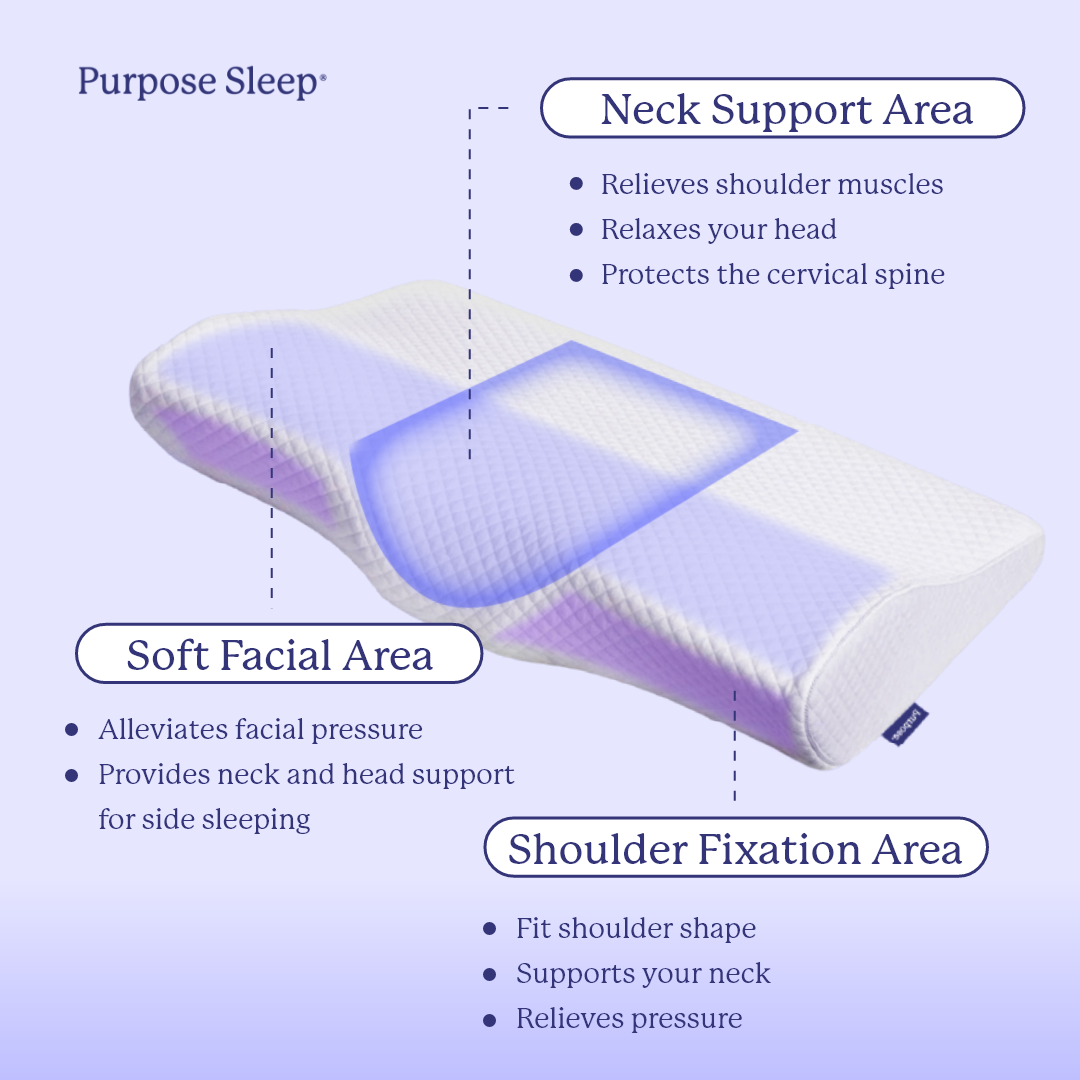
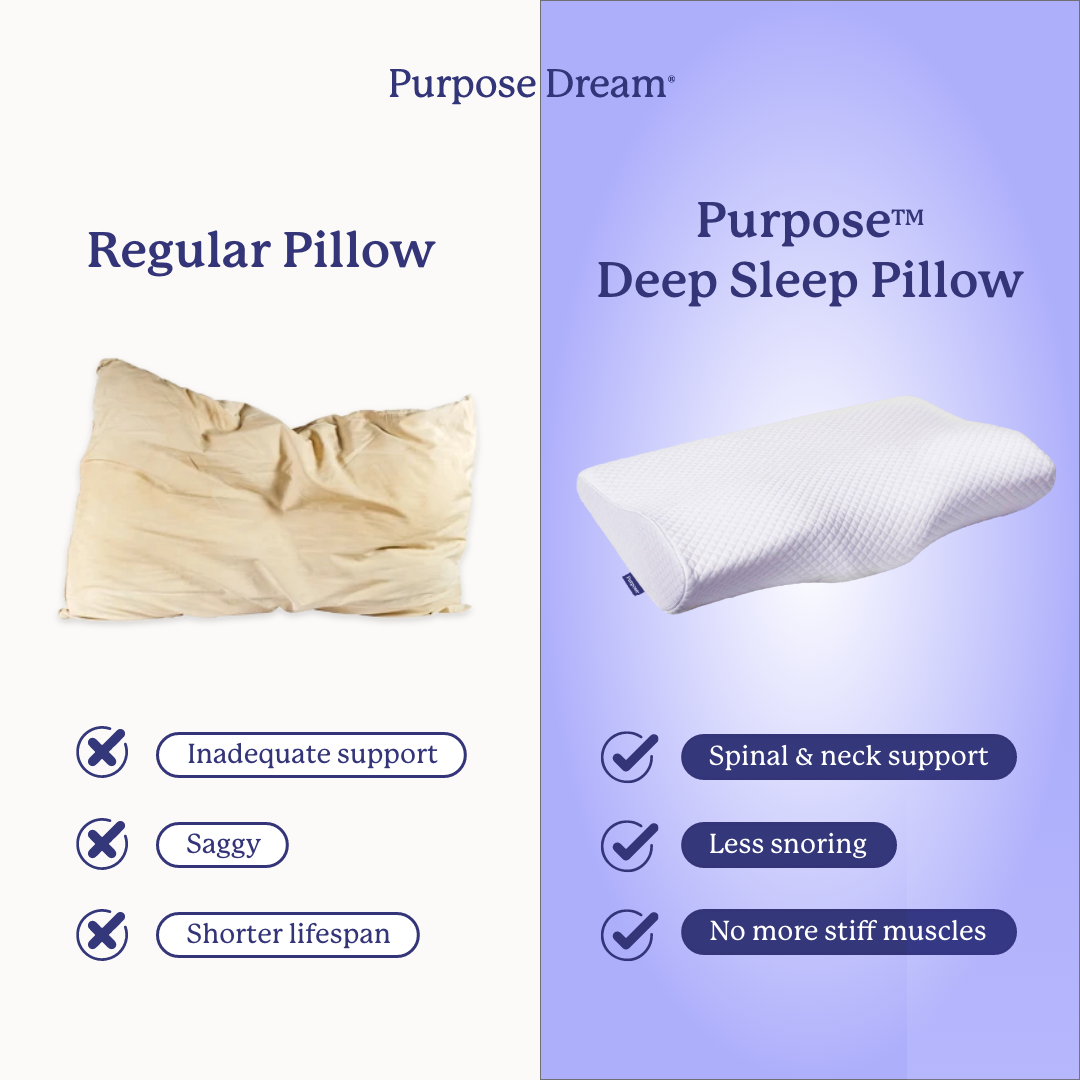
Purpose Dream is Pigeon Digital's internal brand. We started as a dropshipping operation in 2022, testing a thesis: that better sleep products could scale across multiple markets if we diagnosed the right levers first. We sell three products - the Purpose Deep Sleep Pillow, Total Blackout Eye Mask, and Weighted Blanket.
By mid-2024, we'd moved to a 3PL in Hong Kong, giving us control over quality and shipping speed (7-12 days to AU, US, UK, Canada, and the Nordics) without per-market warehousing costs. The challenge wasn't the product. It was building a machine that could find product-market fit across geographies and scale it profitably.

Video & Static Ad Creatives
Rapid Testing for Product-Market Fit
We built hypotheses around product and market combinations, then tested with disciplined spend.
We launched minimal viable campaigns across four markets - AU, US, UK, Canada - tracking CVR, CAC, and AOV obsessively. Within eight weeks the data was clear: Deep Sleep Pillow and Total Blackout Eye Mask were our winners. Australia and the US were strongest by a margin. We cut spend to underperformers and doubled down on what worked.
We hit 3.15 ROAS at this stage. Everything after was built on knowing exactly where the margin sat.
Creative Iteration for Meta and TikTok
ROAS improves when you stop guessing about who your customer is.
We ran static ads testing different angles, moved winning angles into video, and tested three hooks per video. The insight that changed everything: our best customers weren't the 25-year-old wellness crowd. They were 35-55, dealing with real neck and shoulder pain, real sleep deprivation. Buying for function, not aspiration.
So we sourced creative from that demographic. Real people, real problems. Conversion lifted immediately.
Bundling and Upsell
We started at $85 AOV. At add-to-cart, we split-tested same-product vs. complementary-product upsell at 20% off. Complementary won. Then we tested 15% vs. 20% off - conversion held at 15%, so we took the higher revenue per accepted offer.
We added a post-purchase upsell between Place Order and the Thank You page - complementary products at 20% off. Customers who'd already committed were willing to add on.
AOV moved from $85 to $121. ROAS climbed from 3.15 to 4.5. Same ad spend, better revenue per customer.
The Results
Six months from launch: $1M in revenue. Average ROAS of 4.5. AOV up 175% without scaling ad budget proportionally.
We didn't learn this system on your budget. We learned it on ours.
.webp)

Powered by © Pigeon Digital 2026. All rights reserved.
We acknowledge the Traditional Owners of the land on which we work, the Wurundjeri Woi Wurrung Cultural Heritage Aboriginal Corporation people of the Kulin Nation, and pay our respects to Elders past and present. We recognise their continuing connection to Country, culture and community.
.svg)