You Don't Need New Creative, You Need an Editor: Getting More From Your Ad Library

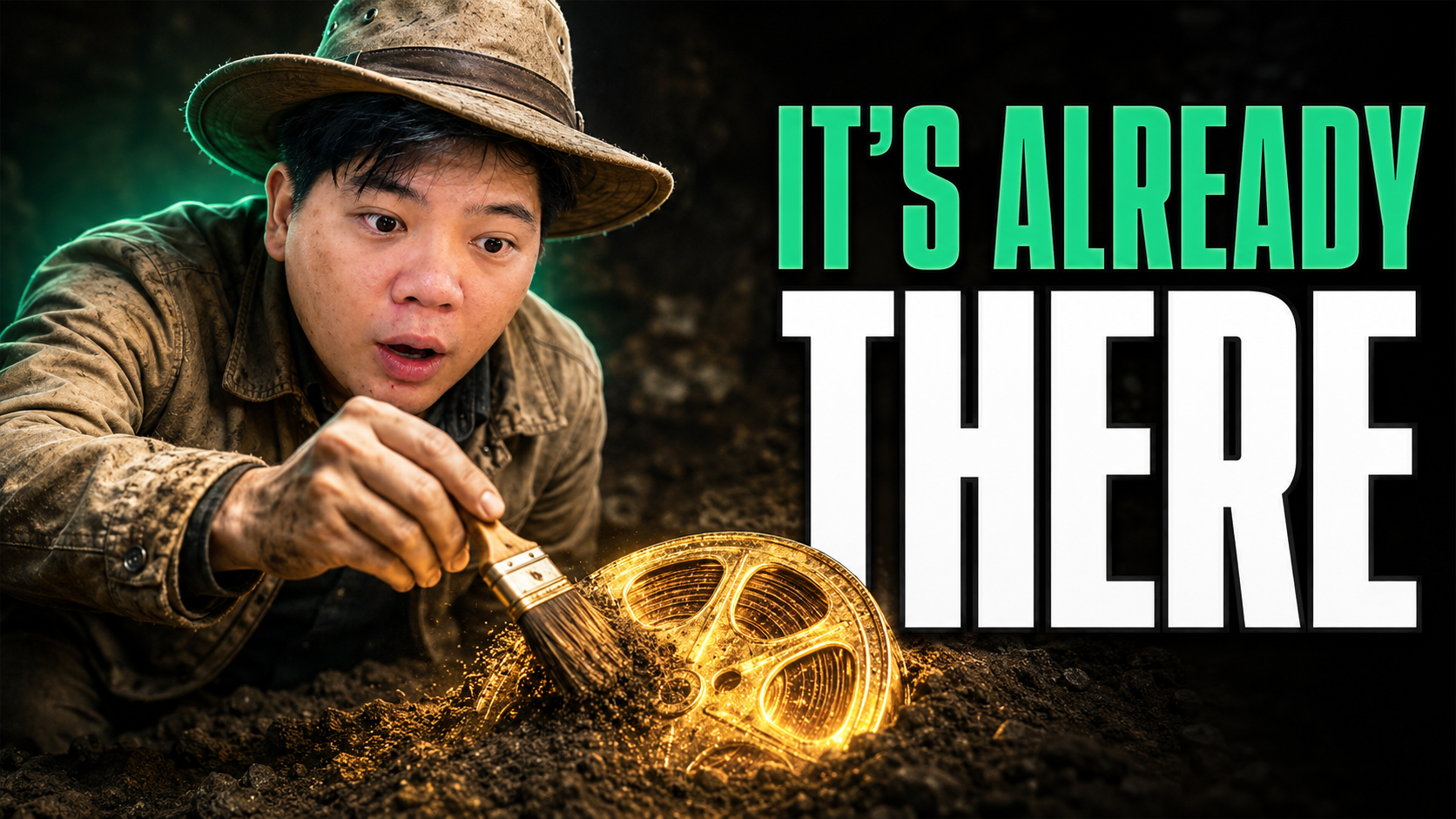
Most brands asking me for new creative don't need new creative. They need an editor.
I know how that sounds. The whole industry is wired around volume - shoot more, post more, test more, feed the machine. So telling a founder the answer might be sitting in footage they already paid for feels almost rude. But I'd say it to most brands I meet, and I'd mean it.
Here's the rough split I'd put on it. Around half of the creative wins I see come from editing footage that already exists, not from filming something new. Half. That's not a rounding error. That's a whole strategy most brands are leaving on the floor.
Why the library gets ignored
The reason is simple and a bit human. New footage feels like progress. Re-cutting old footage feels like admitting you missed something.
So the winning concept from eighteen months ago just sits there. Nobody touches it. Meanwhile the team's off shooting this season's version of the same idea, on the assumption that newer is better.
Often it isn't. The best-performing idea your brand has ever had might still be buried back there in a folder, and you're spending money to recreate it worse.
There's also a quieter reason: a lot of brands don't really know what an editor does. They think of editing as trimming and tidying. Cleaning up the thing the shoot produced. In reality a good editor is doing some of the hardest creative work there is - taking raw material and finding three, five, ten genuinely different ads inside it. That's not tidying. That's where a big share of the gains sit, and it's invisible if you've never watched someone do it well.
The local maximum trap
Here's the thing about a creative library that's working. You hit a wall with it and you don't notice.
You find a winner. You iterate on it. The numbers tick up, so you iterate again, and again, chasing that line higher and higher. Then one day you look around and there's nowhere left to climb. You've squeezed everything out of that one idea. Results start sliding and you can't work out why.
That's a local maximum. You climbed the hill you were on all the way to the top, and the top of a small hill is still the top of a small hill.
When that happens, the instinct is to shoot something brand new. Sometimes that's right. But before you book a crew, I'd go back through the library and rebuild from what's already there. Breathe new life into the concepts that worked, re-cut the angles you abandoned, pull the winners nobody's touched in two years back into rotation.
You'd be surprised how often the next leg of growth is hiding in footage you'd written off as "done".
What an editor actually does
Let me make this concrete, because "use an editor" is useless advice without it.
A good ad - especially a video - isn't one thing. It's a few building blocks stacked together. The hook (the first few seconds that earn the scroll-stop). The body (the actual meat - the angle, the product value, the social proof). The call-to-action at the end.
Each of those blocks can be measured on its own. You can look at how well the hook holds attention, how the body keeps people watching, how the close drives the click. And once you can see each block separately, you can mix and match.
This is the part most people never see. The strongest ad you can build often isn't a single take. It's a Frankenstein. You pull your three best-performing hooks from the last month, bolt them onto the body of a concept that converts well, and re-cut the close into a cleaner offer. None of that needs a new shoot. It needs someone in the timeline who knows which blocks are pulling their weight.
So when I say half your wins can come from editing, this is what I mean. Not slapping a new caption on an old video. Properly dismantling your winners into parts and reassembling the best ones into something that performs better than any of the originals did on their own.
Two jobs, not one
I want to be fair to net-new creative here, because I'm not saying never shoot.
There are two jobs, and they're different. Iterating on what works squeezes more out of your winners. Net-new creative reaches people your current angles never could. You need both. A brand that only ever iterates will eventually run dry on new audiences, and a brand that only ever shoots fresh is throwing away footage it already paid for.
The mix I'd aim for is roughly even. Around half your tests as iterations on proven concepts, around half as genuinely new ideas. And here's the bit that decides which way you lean: look at your growth.
If your creative's working and the trajectory's healthy, iterate hard. Get every last bit of juice out of what's converting before you spend on a shoot. If the trajectory's stalled - if you've hit that local maximum and nothing's moving - that's your signal to go back to the drawing board and build something genuinely new.
Most brands have this backwards. They shoot new when things are going well (and bin the winners early), then panic-iterate on a dying concept when growth stalls. Flip it.
How to actually audit your own library
You can do a version of this yourself this week. No agency required.
Open up everything you've ever run. All of it, going back years. Most brands have never properly looked.
Pull out anything that performed - your top hooks, your best bodies, the concepts that won and then quietly got retired. Set the criteria before you start so you're honest: strong attention on the hook, good hold through the body, a healthy cost-per-acquisition. Whatever your bar is, write it down first so you're not just picking the ones you happen to like.
Then ask three questions of the pile.
First, what have we stopped using that was actually winning? Father's Day two years ago, the holiday concept from last year, the angle you got bored of. Boredom is not the same as fatigue. You got sick of it long before your audience did.
Second, which blocks are the real performers? Separate hook from body from close in your head. Maybe one old video has a brilliant hook attached to a weak body. That hook is an asset you can reuse - it doesn't have to drag the rest of the ad around with it.
Third, what can we Frankenstein? Best hooks, best bodies, best closes, recombined. You'll usually find two or three new ads in there before you've filmed a single thing.
Do that honestly and most brands walk away with weeks of testing material they already owned. The footage was never the problem. Nobody was sifting it.
The bit nobody wants to hear
Here's my real take, and it's not the flattering one.
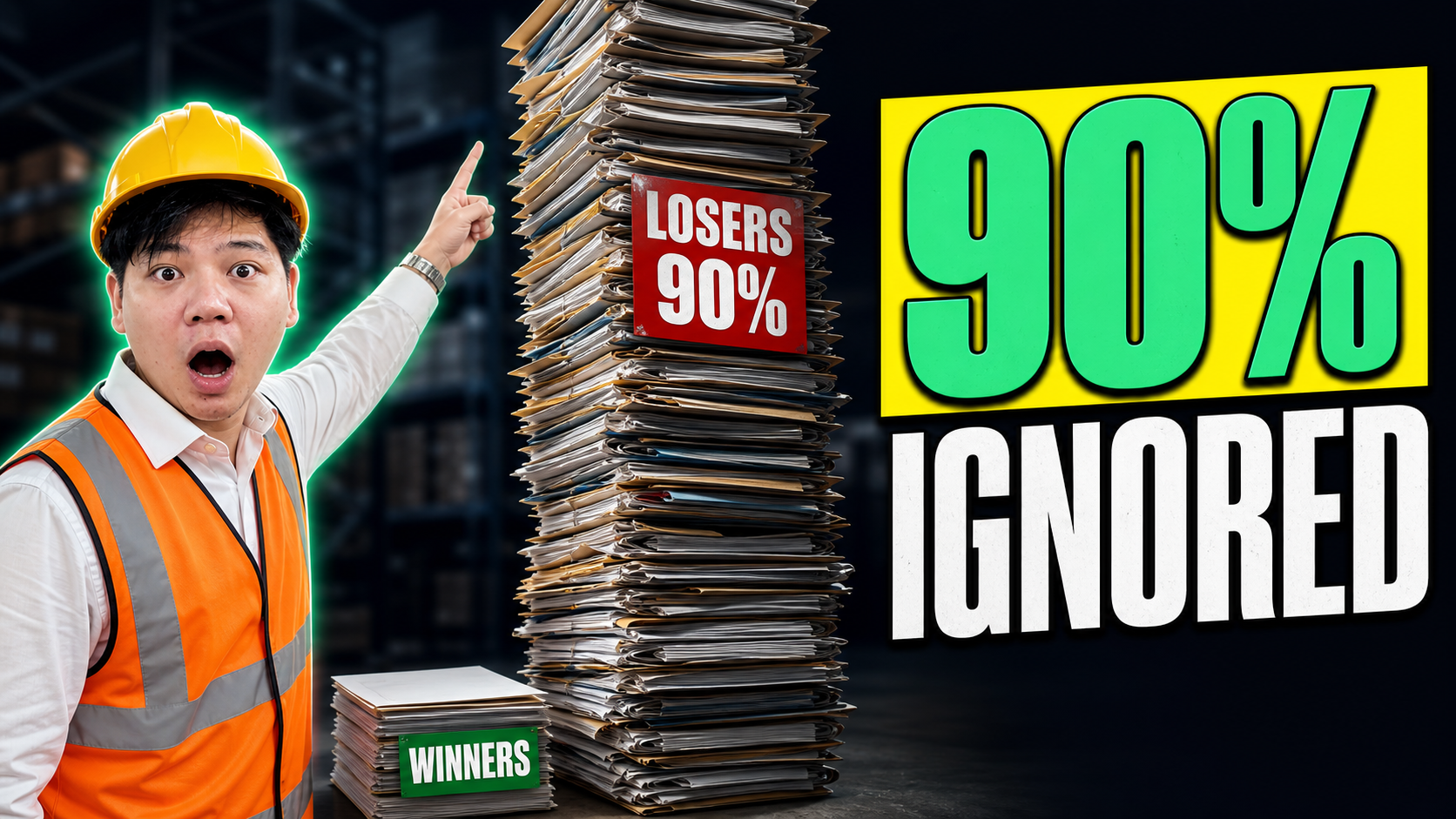
A big library is not the same as a well-used library. Nearly every brand I look at - including ones doing serious volume - has winning creative sitting idle. Not because they're lazy, but because the whole conversation is pointed at "what do we shoot next" instead of "what have we already got".
The brands that win the creative game aren't always the ones shooting the most. Often they're the ones getting the most out of every asset they own before they spend on another one.
So before the next shoot, the next brief, the next "we need fresh content" sprint - I'd ask a quieter question. How much of what you've already paid for have you actually used? And who on your team is sifting through it, looking for the winner that's been sitting there the whole time?


Recent Insights®

.webp)

Powered by © Pigeon Digital 2026. All rights reserved.
We acknowledge the Traditional Owners of the land on which we work, the Wurundjeri Woi Wurrung Cultural Heritage Aboriginal Corporation people of the Kulin Nation, and pay our respects to Elders past and present. We recognise their continuing connection to Country, culture and community.
.svg)