The Free Static Ad Machine: How We 10x Creative Volume With Nano Banana Pro

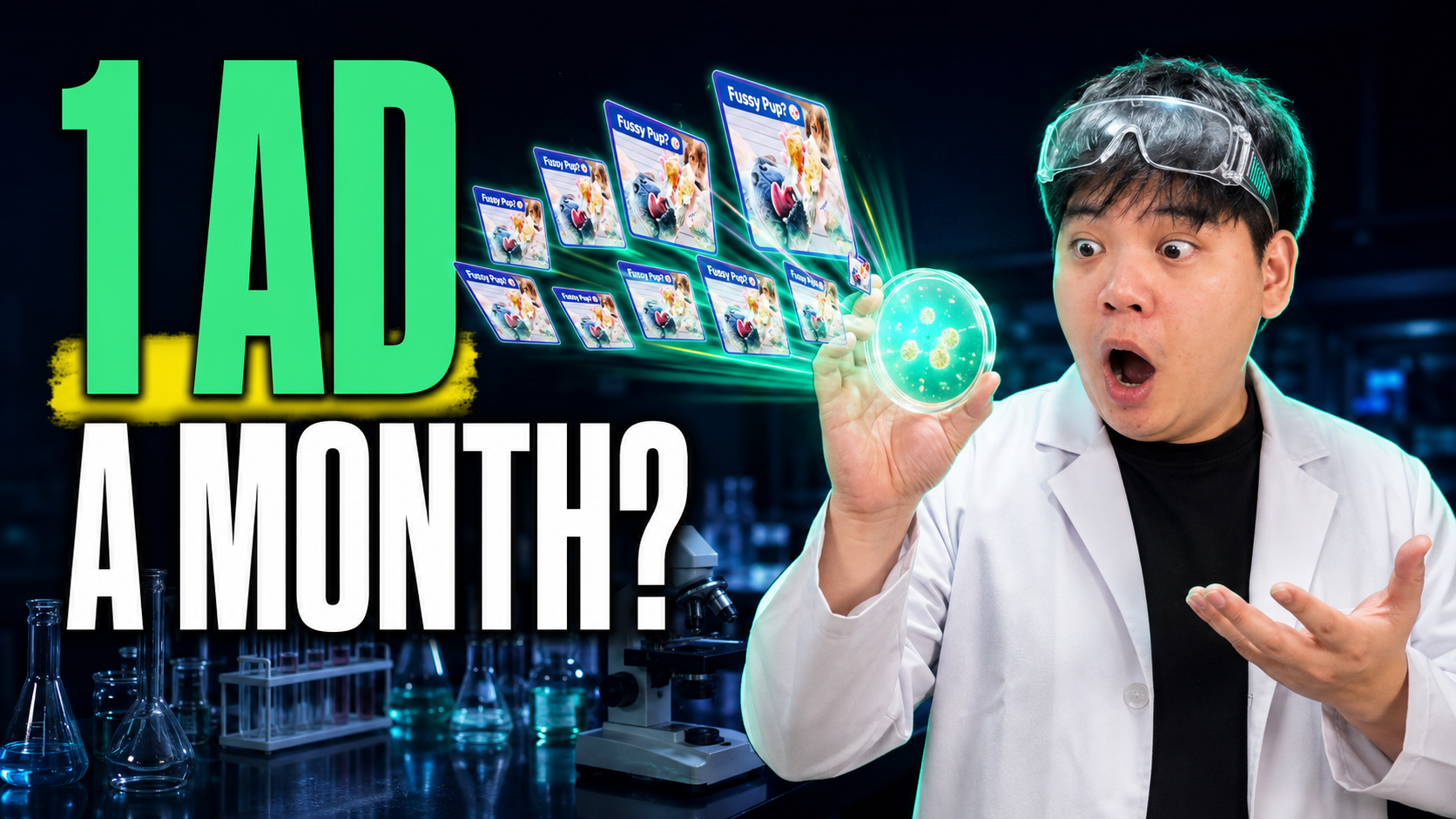
How many static ads did you actually ship last month? Not designed, not queued in a doc somewhere - shipped, live, spending money. If the honest number is single digits, that's your constraint, and it's been your constraint for years. Creative volume is the thing that feeds Meta now, and most brands simply can't make enough.
That maths just changed. With Gemini 3 and Nano Banana Pro you can take a static that's already winning and spin out a dozen real variations of it in an afternoon, for basically nothing. Not random AI images. Controlled iterations of a proven ad.
But "make 10x more ads" is only useful if the extra nine actually help. Most of what you can generate is cosmetic noise that does nothing. So let me walk you through how we run it: how to pick the right ad to clone, which swaps genuinely lift performance versus which are just busywork, and the quality checks our designers run before anything goes live.
Start from a real winner, not a nice-looking one
The whole thing falls apart if you clone the wrong ad. So before you generate a single image, go find the ad that's actually carrying weight.
In your ad account, set the columns to compare attribution and switch on incremental attribution. This matters more than people think. Regular ROAS flatters ads that sneak in at the last second and grab credit Meta would've gotten anyway. Incremental strips that out and shows you what's genuinely driving net new purchases.
Then sort by spend and find the statics that are both spending real money and sitting above your incremental ROAS baseline. Say your account's running an incremental ROAS around 2.6. You want the ad that spent A$9k and beat that number, not the one that spent A$300 and looks tidy.
That ad is your seed. You know something about it works - the layout, the hook, the offer, something. The job now isn't to invent a new ad. It's to make more of what already works without throwing away the bit that's working.
The swaps that lift, and the swaps that don't
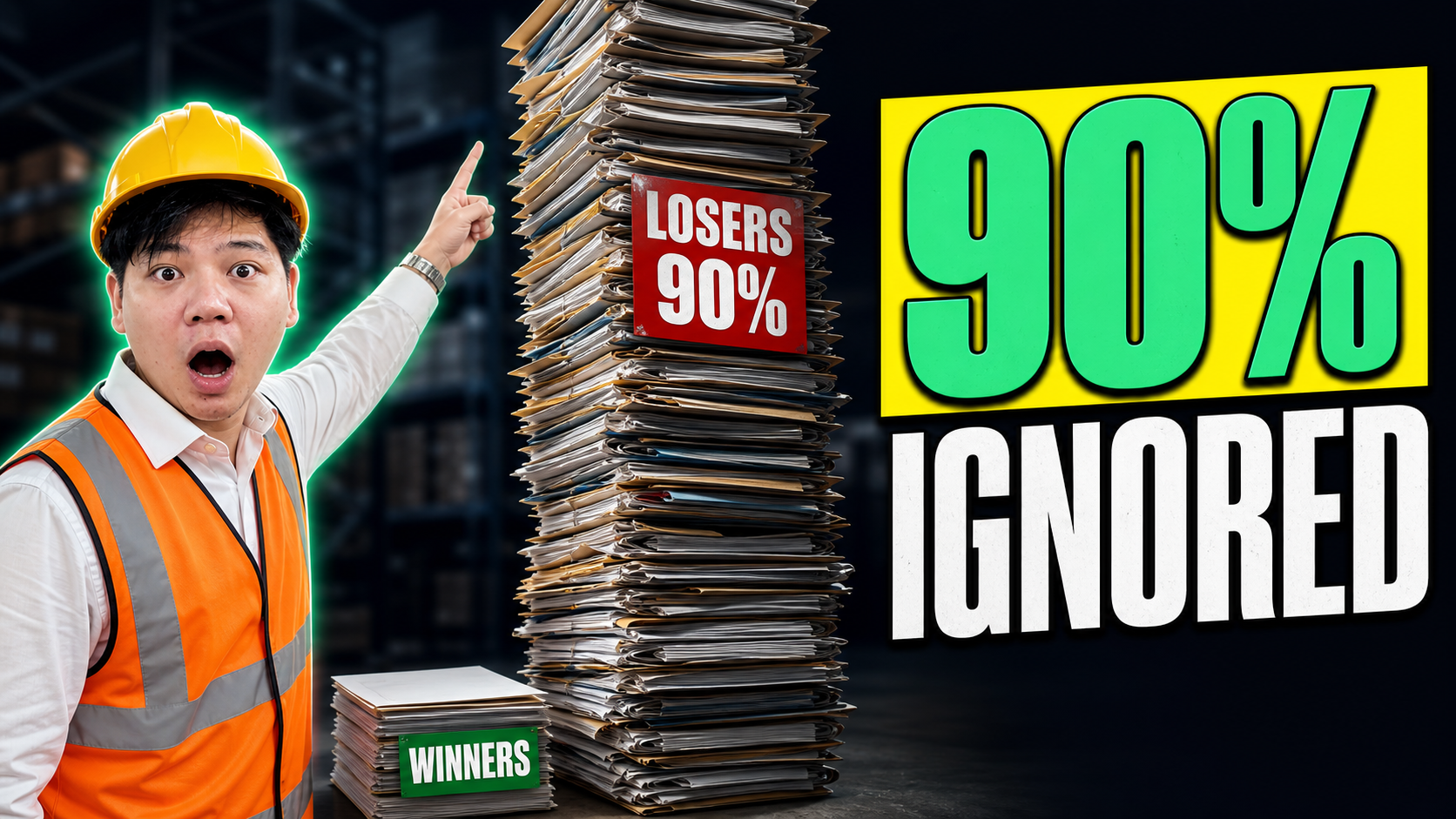
Here's where most people waste their afternoon. They generate fifty variations that all convert the same as the original, because they changed things the customer doesn't care about.
Here's my take on which swaps are worth doing.
The swaps that genuinely lift performance:
- Product or variant swaps. Same winning layout, different product or colourway. If your hero ad features the green version, generate the carbon-fibre one, the black one, the limited edition. Different people want different variants, and you're now speaking to each of them inside a format you already know converts. This is the highest-return swap there is.
- Model or person swaps. Swap the person in a proven template for a different age, look or demographic. This genuinely changes who sees themselves in the ad, and it's the swap that used to be impossible without a full reshoot. Now it's a prompt.
- Offer or text changes. Pull the "Black Friday" overlay off a winner so you can run it evergreen. Change the price callout, swap the headline. Cheap to do, and it lets one strong creative serve several moments.
The swaps that are just noise:
- Tiny background or lighting tweaks that nobody consciously registers. You'll feel productive and the CPA won't move.
- Cosmetic restyling of an ad that's already working - new font, slightly different crop - with no change to product, person, or message. You're not testing a new angle, you're reshuffling the same one.
- Volume for the sake of it. Forty near-identical variants don't beat four meaningfully different ones. The model lets you make more, it doesn't make more worth making.
The test I'd apply to every swap: does this change who the ad speaks to, or what it offers them? If yes, it's worth generating. If it's just pixels moving around, skip it.
Borrowing competitor templates without copying
The second source of variations is structural, and it's a clever one: take the layout a competitor has been running forever, and pour your own product into it.
Find a brand a rung or two above you - not the category giant, the one that's clearly a stage ahead and still scrappy. Sort their ads by run time. An ad that's been live 300-plus days is an ad that's working, because nobody keeps paying to run a loser that long. That longevity is free research.
Then you rebuild that template with your assets. You're not copying their creative - you're not touching their product, their copy, or their images. You're taking the structural bones, the thing that's making it work, and putting your own model and product into it. Done this way it sidesteps the copyright worry, because the template isn't the protected bit, the content is.
The instruction to the model is plain language: use the first image as the template, keep the top text and the overall tone, swap in the product and the model from these other images, and follow the original pose. A couple of minutes later you've got a proven structure wearing your brand.
The quality checks before anything ships
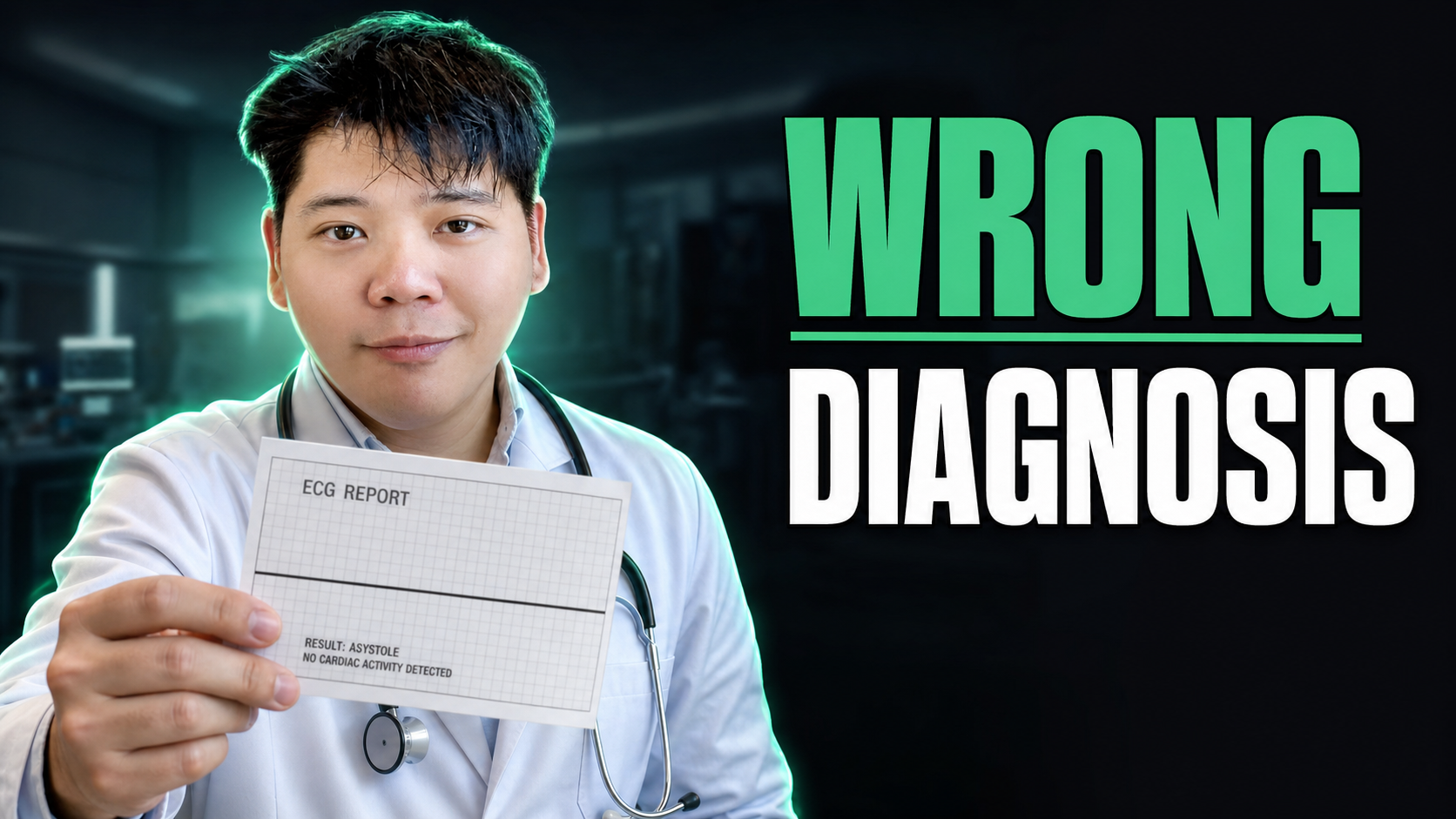
This is the part the tutorials skip, and it's the part that keeps you from shipping junk. Nano Banana Pro is good, but "good" still misses, and a broken AI ad burns spend and trust. Our designers run a short checklist on every generation before it goes near an ad set.
- Read the model's own thinking. Pro shows you its reasoning - what it decided to swap, what it left alone. Skim it. If it says it focused on the wrong element, you've caught the miss before you've even looked at the image.
- Check the product is dead accurate. This is the one thing you can't get wrong. The logo, the shape, the label, the colour - all exact. The model can drift on a product detail, and a wrong product in an ad is worse than no ad. Always anchor it with your real product image, never a description.
- Hunt for the tells. Cropped logos, a stray watermark, warped text, a hand with the wrong number of fingers. If you see the generator's own logo creeping in at the edge, prompt it to zoom out and re-crop rather than shipping it tight.
- Confirm the aspect ratio. The output tends to inherit the aspect ratio of the images you fed in. If you need a story format, feed it vertical references, and check you've actually got enough frame to crop to square and to story without chopping the product.
If a generation fails any of these, it's a re-prompt, not a ship. Fewer mistakes also means fewer wasted renders, which keeps the whole thing close to free.
Wiring it into a flywheel
None of this is a one-off. The point is to make it a loop that never really stops.
Every 7 to 14 days, pull the incremental report again. Pause the duds - the ads not spending and not converting. Take the new winners and brief variations off them, the same way you did the seed. Feed in fresh competitor templates as outside inspiration. Then back to the report.
So the cycle is: find the incremental winner, generate the swaps that actually change the angle, QC them hard, ship, measure, and clone next round's winner. The model removed the bottleneck that used to sit in the middle of that loop - making the next variation - which means the loop can spin as fast as you can read the data.
The honest thing to sit with is what this does to the playing field. The big advantage the fastest brands had was creative turnover - they could make and test faster than you could. That edge is mostly gone now, because the tool is free and everyone has it. Which raises the real question worth chewing on: if volume is no longer the moat, and anyone can spin out a hundred variants of a winner by Friday, what's the thing that actually separates your ads from your competitor's next year?


Recent Insights®

.webp)

Powered by © Pigeon Digital 2026. All rights reserved.
We acknowledge the Traditional Owners of the land on which we work, the Wurundjeri Woi Wurrung Cultural Heritage Aboriginal Corporation people of the Kulin Nation, and pay our respects to Elders past and present. We recognise their continuing connection to Country, culture and community.
.svg)