
The $800 De Minimis Loophole Powering Temu: What It Means for Your Margins (and Why Not to Build on It)

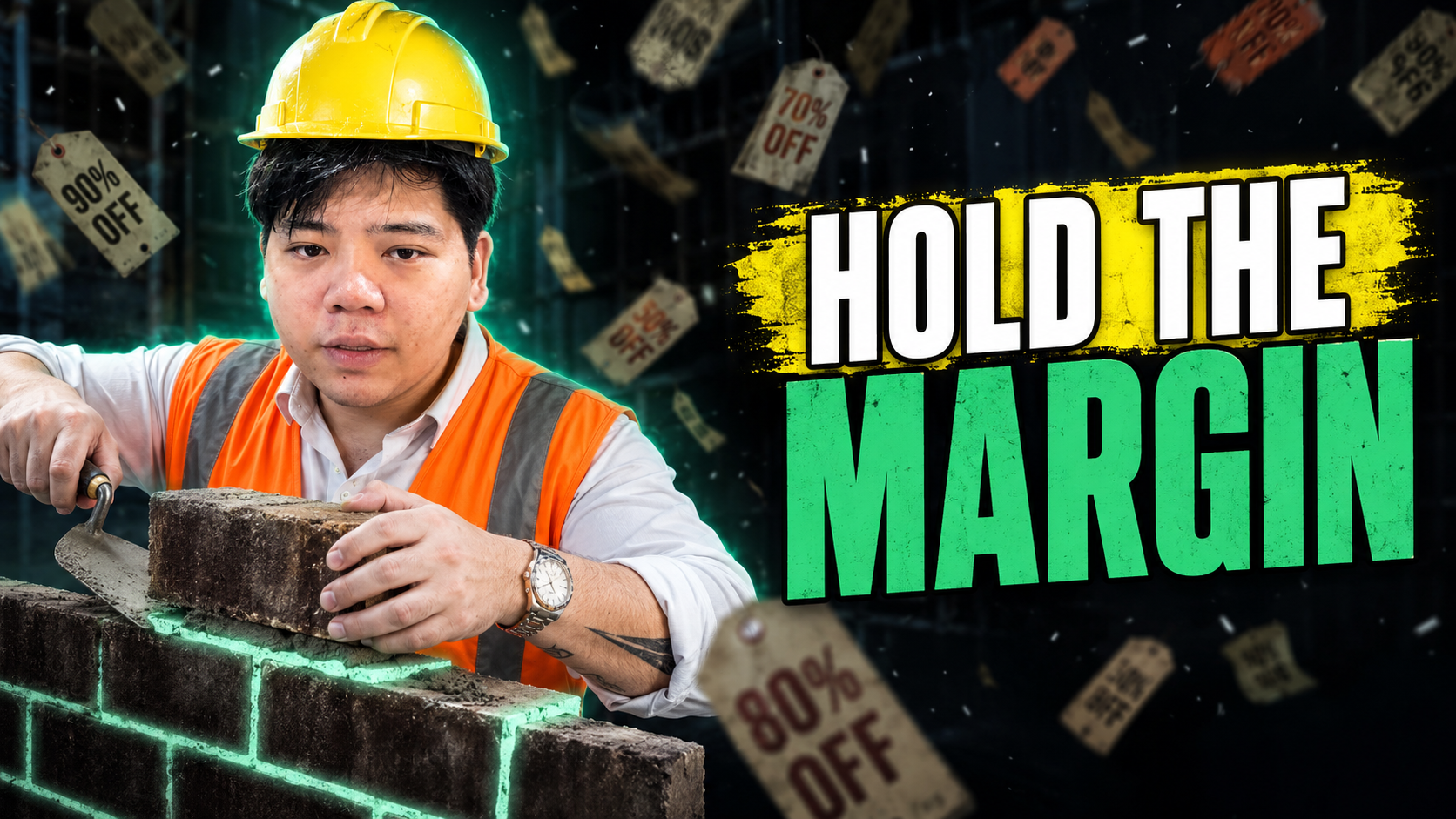
Two brands are staring at the same problem this year. A wave of dirt-cheap product, shipped direct from a factory floor in China, landing in their customers' feeds at a price they cannot physically match.
The first brand panics and chases. It cuts its own prices, starts routing fulfilment through Mexico to shave off duty, and builds its whole 2026 plan around staying cheap enough to survive the comparison. For a while the maths works.
The second brand looks at the same wave and does almost nothing about price. It keeps its margin, keeps its positioning, and pours its energy into making ads that a Temu listing could never make. Twelve months later it's still standing, still profitable, and the customer it kept is worth two or three orders, not one.
Same threat. Two completely different bets. This piece is about why I'd take the second one nearly every time, and what the thing powering all of it actually is.
What the $800 rule actually does
The mechanism underneath the cheap-product wave has a boring name: the de minimis exemption. Here's the plain-English version.
Any parcel coming into the US under roughly US$800 in value clears customs without paying import duty. The rule wasn't built for ecommerce at all. It exists so that if you fly home from a holiday with a bag of stuff, customs doesn't have to classify every item and charge you for it. Below the threshold, it waves you through.
What the big China-direct players worked out is that this applies to ecommerce parcels too. So instead of shipping a container to a warehouse, clearing it as one big import, then fulfilling locally, they fulfil each order direct from origin. Every parcel is its own tiny duty-free import. To put the scale of that in perspective, direct-to-consumer ecommerce parcels out of China now make up a serious chunk of all the air cargo moving on the planet, depending on the month. That's not a niche. That's a freight pattern you can see from space.
And it's not only a China story. The same exemption works from Mexico and Canada, which is why a meaningful slice of the top Shopify brands have quietly moved some international fulfilment north or south of the US border to qualify. It's a legitimate move. Plenty of good operators do it because, on paper, it makes sense.
Why I wouldn't build the business on it
Here's the thing though. A duty exemption is a rule, and rules get rewritten.
This particular one has had a target painted on it for a while. There's already talk in Washington about narrowing it, especially for goods that would otherwise be hit by the China-specific tariffs that have been threatened and escalated over several administrations. Nobody I trust will tell you with a straight face exactly when or how it changes. But "we don't know when" is very different from "it's safe".
So picture the brand from the top of this piece, the one that re-routed fulfilment through Mexico and rebuilt its unit economics around clearing duty-free. Its whole margin structure is now resting on a regulatory line that a single rule change can move. The day that line moves, the maths it planned around stops being true, and it's left competing on price with no price advantage. That's not a strategy. That's a bet that the government keeps doing you a favour.
I'd say the same thing about the loophole that I'd say about a hot ad account or a viral product. If your business only works because of one fragile thing outside your control, you don't have a business yet. You have a window.
Temu isn't buying your customer
Now the part founders actually lie awake over: the fear that the cheap players are going to eat their lunch.
Look at who actually buys on those platforms. The data I've seen lines up with what you'd guess. The traffic that overlaps with the deep-discount marketplaces isn't the premium-marketplace customer at all. It's the dollar-store shopper, the person hunting the absolute lowest price on a throwaway version of a thing. There's almost no overlap with the customer who pays for convenience and quality.
So when one of these platforms acquires a buyer for a product it's losing money on, it's spending to win the cheapest, least loyal customer in the market. The shopper who buys a one-dollar toy version of what they actually wanted, gets something disappointing, and never builds a relationship with anyone. That's an expensive customer to own and a worthless one to keep.
That is not your customer. Or at least, it shouldn't be the one you're built around. The whole point of a brand is that someone chooses you when a cheaper option is sitting right there. If the only reason a person buys from you is price, you were always going to lose them to whoever printed a lower number next week, loophole or no loophole.
To make that concrete: imagine a homewares brand sitting at a A$62 average order value with a 28% repeat rate. It is in a completely different game to a marketplace flogging a A$4 lookalike at a loss. The marketplace is renting the bottom of the market. The brand owns the top of it. Those two things barely compete, and the brand only gets into trouble if it forgets that and starts trying to win on price anyway.
Compete on the thing they can't copy
So if not price, then what?
The one move a factory-direct marketplace structurally cannot make is build a brand worth choosing. It can undercut you on cost all day. It cannot make someone feel something, recognise a point of view, or come back without being re-sold. That gap is the whole opportunity, and it lives almost entirely in your creative.
Think about what a Temu listing can't do. It can't tell you why this product exists. It can't carry a consistent voice across a dozen ads until the brand starts to feel familiar. It can't give someone a reason to care that has nothing to do with the discount. Every ad you run is either depositing a little of that recognition or just spending against it, and the cheap players are physically incapable of depositing any.
This is the bit I'd actually invest in. Not "more ads", and definitely not "match their price". Ads built around a real point of difference, run consistently enough that people start searching your name and buying again on their own. That's the demand you create and own, instead of renting attention for as long as a duty exemption happens to hold.
When a cheaper copy lands in front of a customer who already wanted you specifically, it barely registers. That's not luck. That's a moat, and it's one no rule change in Washington can take away from you.
Where this leaves you
So the honest question isn't "how do I survive the cheap wave". It's "what am I actually building my margin on".
If the answer is a duty exemption, a fulfilment workaround, or being a few dollars cheaper than the next listing, you're building on sand and you can feel it. If the answer is a brand people choose on purpose and ads only you could have made, you're building on the one thing the price-war players can never reach.
It can be genuinely hard to see, from inside your own account, which of those two you're really running on. If you ever want an outside read on where your margin is actually defended and where it's quietly exposed to something you don't control, that's exactly the kind of thing a Signal/Noise Audit is built to lay bare. No pitch attached. Just a clear look at where your real moat is, and where you're standing on a loophole.


Recent Insights®



.webp)

Powered by © Pigeon Digital 2026. All rights reserved.
We acknowledge the Traditional Owners of the land on which we work, the Wurundjeri Woi Wurrung Cultural Heritage Aboriginal Corporation people of the Kulin Nation, and pay our respects to Elders past and present. We recognise their continuing connection to Country, culture and community.
.svg)