Your Offer Is the Bottleneck, Not Your Creative: The Buy-2-Get-2 Math That 10x'd a Brand's ROAS

0.47x. That was the return.
Sixteen hundred dollars into Meta, $768 back out. A snack brand, doing under $10k a month, convinced after a few weeks of that line that the whole thing was rigged. Drop shipping is dead, Facebook ads don't work, the algorithm hates small brands. You've heard the eulogy, maybe you've given it.
Four weeks later the same account, same ads, was running a 3.6x. Nobody touched the creative. We didn't shoot a new video or rewrite a single hook. We changed the offer. That's the whole story, and it's the most under-rated lever in ecommerce.
Here's my actual position, and it's a bit contrarian: most of what brands diagnose as "creative fatigue" is an offer problem wearing a creative costume. The ad isn't tired. The deal behind it was never good enough to convert the traffic the ad was already sending. So before you commission another batch of creative, I want to walk you through how we pulled this one apart and put it back together.
First, what an offer actually is
The thing almost everyone gets wrong: they think the offer is the price.
It isn't. The offer is the total perceived value of what someone gets for their money, set against the risk they're taking to find out. Price is one input. The bigger inputs are how likely the customer believes the product is to actually work, and how little they stand to lose if it doesn't.
When this snack brand came to us, the offer was $55 all-in to try a snack. In this economy, that's a lot to ask someone to gamble on cookies they've never tasted. But the price wasn't even the worst of it. The whole value side was hollow.
The teardown: every reason the offer was leaking
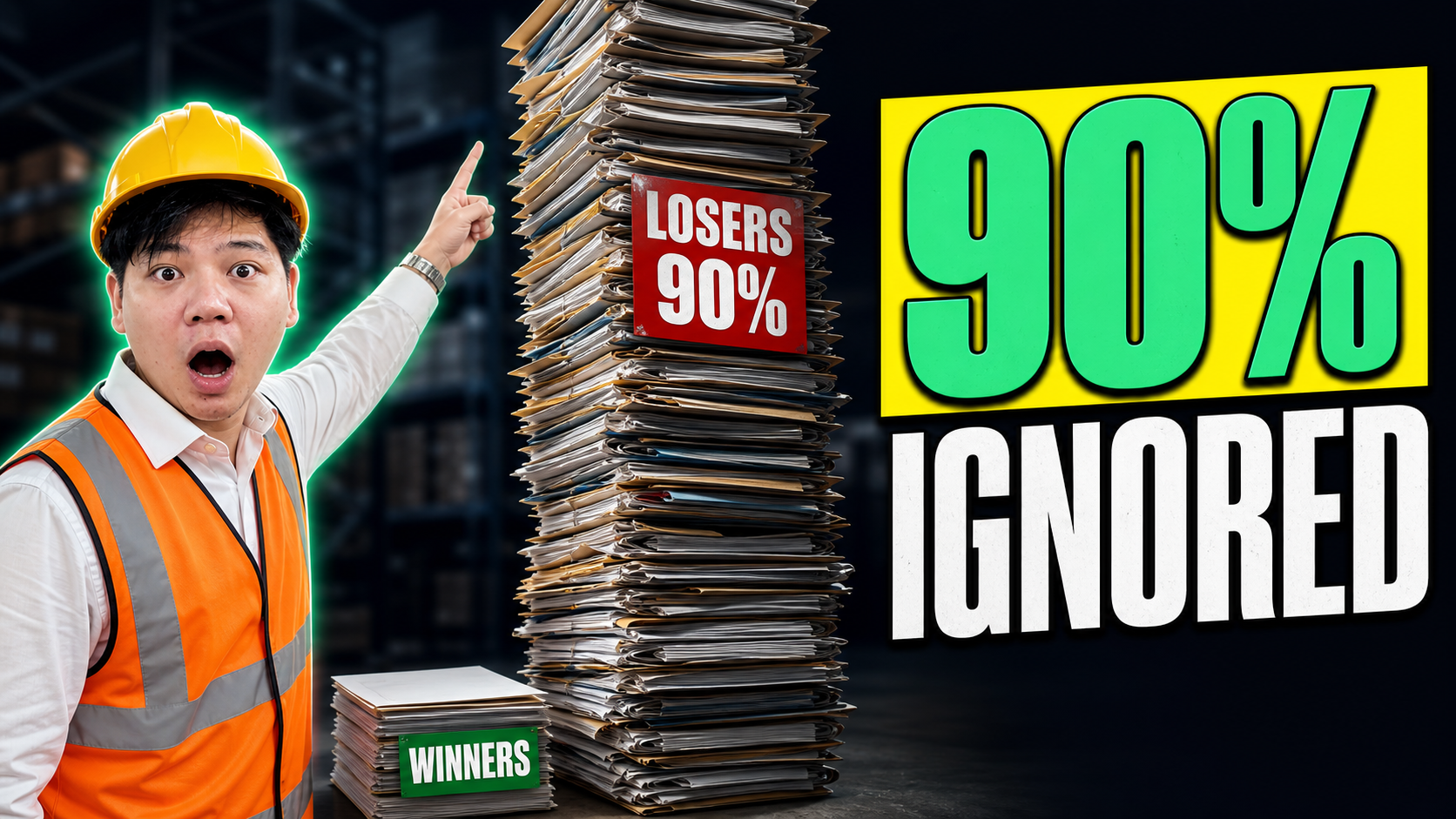
We went through the product page the way a nervous first-time buyer would, and counted the reasons not to buy. There were a lot.
- The product was called the "OG Party Pack." A name nobody searching for a snack knows or cares about. It told the buyer nothing.
- No nutrition label. On a thing you put in your body. That's a silent dealbreaker for a big slice of buyers.
- Zero FAQs. Every unanswered question is a reason to close the tab.
- Shipping wasn't communicated. When will it turn up? No idea. So you assume the worst.
- No reviews on the page. Nobody had any proof another human had tried these and lived.
- Barely any product photos, no video. You couldn't actually see what you were buying.
- No risk removal at all. No guarantee, no "love it or your money back." So the full $55 gamble sat entirely on the customer.
Stack all that up and you don't have a pricing problem, you have a believability problem. The ad was doing its job - it was getting people to the page. The page was where the sale quietly died, because there was no reason to trust the thing and every reason to hesitate.
This is the bit I want to land. A 0.47x return with that page isn't a signal that the ads are bad. It's a signal the offer couldn't carry the traffic the ads were already buying.
The rebuild: the buy-2-get-2 math
Now the part most founders flinch at, because it sounds like you're giving margin away. You're not, if you do the arithmetic first.
We started with the cost of goods. The rule of thumb we work to is staying above 60% gross margin on the offer - higher AOV brands can dip a little lower, but 60% is the line that keeps the unit economics alive. So before designing anything, we worked out exactly what room there was to play with.
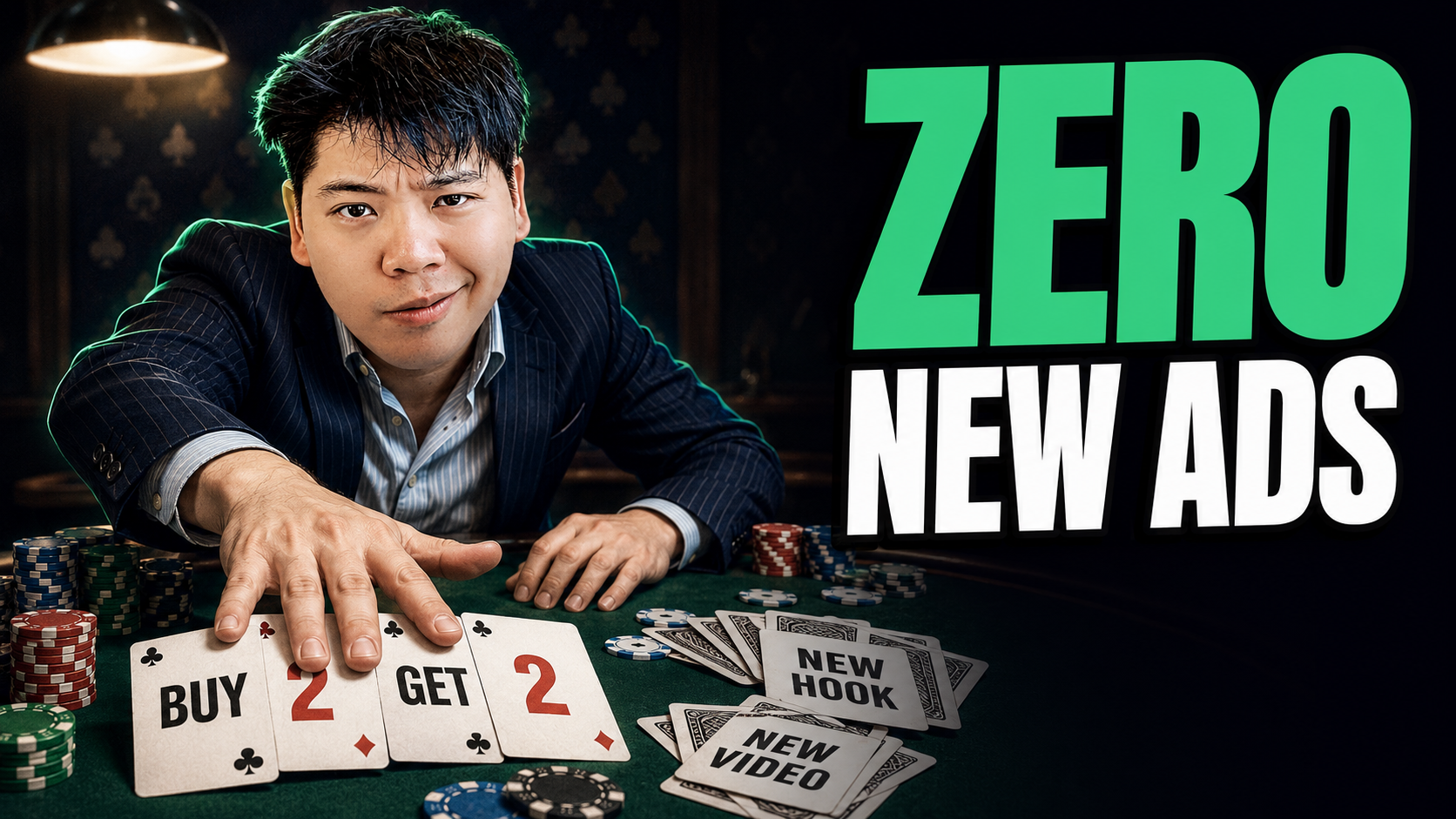
Then we built the offer around perceived value, not discount. The structure we landed on was buy two get two free, buy three get three free, buy four get four free.
Here's the move that makes it work. We didn't just slash the price - we raised it. The packs went up to $18 each. So on a buy-two-get-two, the customer pays for two and gets four, which lands them at an effective ~$9 a pack. Against the old pricing that's only a few dollars cheaper per pack in reality. But it reads completely differently.
"Get two free" is a dramatically stronger offer than "ten percent off," even when the maths nets out similar. One feels like a deal you'd be silly to miss. The other feels like a brand nudging its price down. Same margin outcome, wildly different conversion.
That's the whole trick of offer engineering: raise the headline price enough to fund free units, so the customer perceives a stack of value while you protect the 60% margin. The free product is the lever, the price rise is what pays for it, and the COGS sheet is what keeps it honest.
Fixing the believability at the same time
The offer math gets people to want it. The page has to let them trust it. So alongside the buy-two-get-two, we closed every gap from the teardown.
We gave the product a clear, honest name and said plainly that they were cookies. We added the nutrition label. We put real photos up. We wrote a straight shipping and returns policy so nobody was guessing. And we added the single biggest lever of the lot: a money-back guarantee. If you don't love them, you don't pay.
That guarantee is risk reversal, and it does something specific - it takes the gamble off the customer and puts it back on the business. The buyer's internal question shifts from "what if I waste $36 on cookies I hate" to "well, if I hate them I get my money back, so why not." You've removed the reason to hesitate.
Put the stronger offer and the rebuilt trust together and the page finally converted the traffic it had been wasting. Sixteen hundred dollars at a 0.47x became, in the following weeks, roughly $4.8k at a 3.6x. Same ads. The bottleneck was never the creative.
The no-brainer offer checklist
So how do you tell whether your own offer is the thing holding you back? Run it against this. A genuine no-brainer offer, the kind that makes the price feel almost irrelevant, tends to have all of these. A leaky one is missing several.
- The value visibly outweighs the price. When someone lands on the page, the stack of what they get should feel obviously bigger than what they pay. Bundles and free units do this better than a percentage off - and if you're discounting, anything under 20% off barely moves anyone. Thirty percent or more is where it starts to bite.
- The margin survives it. Run the COGS first, hold your gross margin line - around 60% is a sane default - and build the generosity inside that, not outside it. An offer that converts brilliantly and loses money is just a fast way to go broke.
- Risk reversal is built in. A guarantee, a free trial, a no-questions return. Something that moves the gamble off the customer and onto you. This is often the single highest-impact line on the whole page.
- The perceived likelihood of it working is high. Reviews, nutrition or spec details, real photos, video of the thing in use. Every proof point you add raises their belief that it'll actually deliver.
- Every obvious objection is answered. FAQs, clear shipping, clear returns. Each unanswered question is a silent exit. Walk the page as a first-time sceptic and close every gap you find.
If your offer ticks all five, your creative is probably the right place to look next. If it's missing two or three, no amount of new video will save it, because you'd just be buying more traffic to pour into the same leaky page.
Where the bottleneck really sits
I'll leave you with the reframe that I wish more founders started from.
When the account's underwater, the instinct is always to blame the ad. Shoot something new, test ten more hooks, find a fresh angle. Sometimes that's right. But far more often the ad is already doing its job - it's getting the click and delivering the visitor - and the deal waiting on the other side is what's failing them. New creative aimed at a broken offer just makes the leak bigger.
So before you brief another batch, do the cheaper, harder thing first. Open your own offer and ask it honestly: does the value plainly beat the price, does the margin hold, has the risk been lifted off the buyer, and have you given them every reason to believe it'll work? If the answer to any of those is no, you've probably found your real bottleneck. So which one of those five is your offer missing right now?


Recent Insights®

.webp)

Powered by © Pigeon Digital 2026. All rights reserved.
We acknowledge the Traditional Owners of the land on which we work, the Wurundjeri Woi Wurrung Cultural Heritage Aboriginal Corporation people of the Kulin Nation, and pay our respects to Elders past and present. We recognise their continuing connection to Country, culture and community.
.svg)