
The Quiz Funnel Cheat Code: Why 'Feeling Understood' Outconverts a Product Page


Nine times out of ten, when a brand tells me their quiz funnel "didn't work", they built it to capture emails instead of to make someone feel understood.
That one swap is the whole game, and almost everyone gets it backwards. They bolt a quiz onto the front of the funnel, gate the result behind an email field, and treat the whole thing as a list-building machine. Then they wonder why it converts worse than just sending the ad straight to the product page.
Here's the thing. A good quiz doesn't convert because it grabs an email. It converts because of what happens in the buyer's head while they answer it. So let me walk through why it works, then exactly how I'd build one.
Why a quiz beats a product page: the doctor's-office test
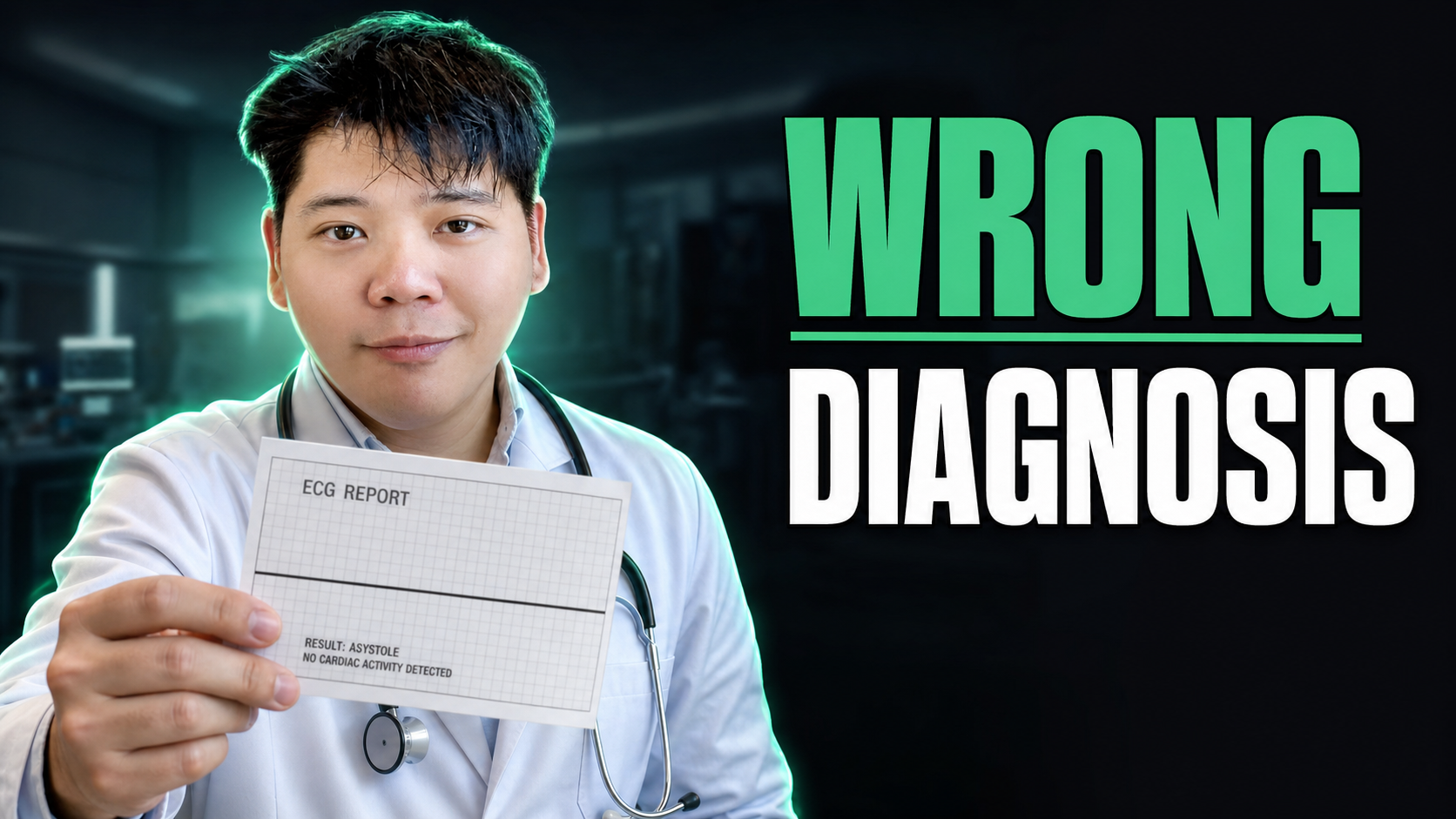
Picture two visits to the doctor.
In the first, you sit down and the doctor walks straight in, doesn't ask a thing, glances at you for a second and says "right, you've got this, here's your prescription," and walks out. Even if the diagnosis is correct, you don't believe it. You didn't feel examined. You feel like you got a guess.
In the second visit, the nurse takes your blood pressure and your temperature first. Then the doctor comes in, asks about your symptoms, when they started, what makes them worse, looks in your throat, listens to your breathing. Then says "right, I know exactly what this is, here's what you need." Same prescription. Completely different feeling. Now you trust it, because you were understood before you were sold.
A product page is the first doctor. It walks in and prescribes immediately. "Here's the product, here's the price, buy now." For a cold visitor who isn't sure you understand their specific problem, that's a guess they don't trust.
A quiz is the second doctor. The questions ARE the examination. By the time the result appears, the buyer has spent two minutes telling you about themselves, and a recommendation that lands after all that feels diagnosed, not pitched. That's the cheat code. The conversion lift comes from the feeling of being understood, and you can't fake that feeling on a static page no matter how good the copy is.
How I'd build the bridge: ad to quiz to product page
The structure I'd use is simple, and the most important instruction is the one most people resist: take the email capture out.
The job of this funnel is to walk a cold click into a warm "this is for me" before they ever hit the product page. Here's the build, step by step.
1. The ad opens a loop, it doesn't close it. The ad's only job is to pose the question the quiz answers. Something like "most men over 35 blame their energy on age, it's usually one other thing, take the 2-minute quiz." You're not trying to sell the product in the ad. You're selling the diagnosis. The click happens because someone wants to know their own answer.
2. The quiz is the examination, so the questions have to feel personal. Open with the question that names their problem back to them. "What's your biggest frustration right now?" Then walk through symptoms, context, how it shows up day to day. Eight to ten questions is plenty. Every question should feel like it was written by someone who's seen this exact problem a hundred times, because that's what builds the "they get me" feeling. This is the part doing the real work, so this is the part to labour over.
3. The result page hands them a diagnosis, then a single next step. Reflect their answers back as a short read on their situation, name what's going on, and point at one recommendation. Not a catalogue. One thing, framed as the obvious fix for the person they just described themselves as.
4. The button goes straight to the Shopify product page. No checkout inside the quiz tool. The result page has one clear button, "see your recommendation" or "check availability," and it sends them onto the real PDP where the buying happens on your normal, trusted store. The quiz warmed them up. Shopify closes them.
A practical note on tooling, because it trips people up. Most quiz builders push you to make email the first step. I'd use the tool purely as a bridge page: strip the email gate out entirely, and let the last screen pass them through to the product page. One thing you do need to handle is tracking. The quiz usually sits on a different domain to your store, so copy the pixel code from your Shopify product page onto the quiz pages too. That way the journey from ad to quiz to PDP stays stitched together and you can actually see what's converting.
That's the entire build. Ad opens the loop, quiz runs the examination, result gives the diagnosis, PDP takes the money.
You don't need a "smart" quiz for this to work
Here's the part that surprises people. The quiz mostly doesn't have to be conditional.
There's a strong instinct to build elaborate branching logic, where answer A sends you down one path and answer B down another, all ending in genuinely different recommendations. That's a lot of build, a lot of testing, and a lot that can break. And for most brands it's effort the buyer never sees.
In reality, plenty of high-converting quizzes route almost everyone to the same handful of answers, sometimes the same single result. Run through one of these funnels twice picking different answers and you'll often land on the identical page both times. And it still works, because the magic was never in the branching. The magic was the act of answering. The buyer felt examined, the recommendation felt earned, and the destination being the same didn't matter because they never see the other paths.
So my take: start with a non-conditional quiz. Same strong questions, one well-built result, straight through to the PDP. It captures almost all of the "feeling understood" effect for a fraction of the effort. Only reach for real branching logic when you genuinely sell to distinct people who need genuinely different products, a true beginner versus advanced, dry skin versus oily, that kind of split where the wrong recommendation would actually be wrong. If the recommendation is basically the same for everyone, branching is just cost you can't see a return on.
Don't bolt a quiz onto every product
The other reflex I want to talk you out of is treating the quiz as a fixture you slap on the whole catalogue.
A quiz earns its place when there's something to diagnose. It shines where the buyer is uncertain, where the problem is personal or a bit embarrassing, where there's a real "which one is right for me" question, or where the category needs a moment of education before a product makes sense. Health, supplements, skincare, anything with a "what's actually wrong with me" flavour. That's quiz territory, because the examination is doing real work.
Now picture forcing the same machine onto a product nobody is confused about. Someone already knows they want the navy version of the thing they saw in the ad. Making them answer eight questions before they can buy isn't building trust, it's a tollgate between them and the checkout. You'll watch people drop off who were ready to pay. The diagnosis ritual only helps when there's genuinely a diagnosis to make. When there isn't, the fastest honest path to the product page wins, and that path is often a simple listicle or just the PDP itself.
So before you build one, ask the blunt question: is there actually something here to diagnose? If yes, the quiz can do work nothing else does. If the buyer already knows exactly what they want, a quiz just slows them down.
That's the whole thing. Build the quiz to make someone feel understood, not to harvest emails, send the warmed-up click straight through to Shopify, and only use it where there's a real diagnosis to make. This listicle-and-quiz layer in front of the PDP is exactly the kind of build we hand off to brands as a finished piece, but there's nothing here you can't put together yourself if you've got the time.
If you've got a quiz sitting in your funnel right now, go take it twice and answer differently each time. Did it make you feel examined, or just asked for your email?


Recent Insights®


.webp)

Powered by © Pigeon Digital 2026. All rights reserved.
We acknowledge the Traditional Owners of the land on which we work, the Wurundjeri Woi Wurrung Cultural Heritage Aboriginal Corporation people of the Kulin Nation, and pay our respects to Elders past and present. We recognise their continuing connection to Country, culture and community.
.svg)