The Influencer Spectrum: From Free Seeding to Equity Deals (and Where a 7-Figure Brand Should Start)

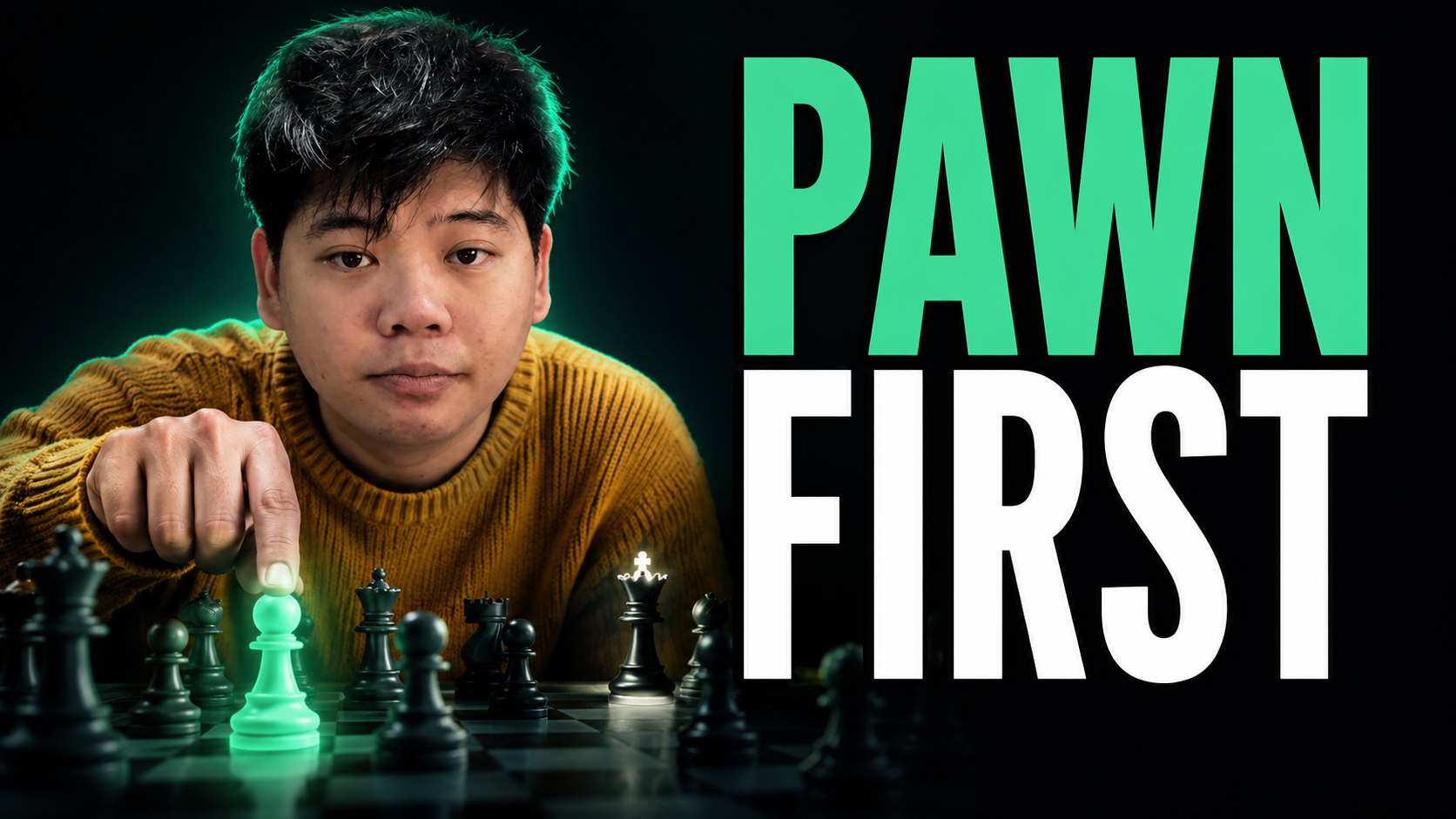
If you run a 7-figure brand and your first serious influencer move is signing a big creator to a retainer, I think you're starting at the wrong end of the spectrum, and probably setting fire to a chunk of budget to learn it.
I'll back that up. The brands that do influencer well almost never start by writing a big cheque to a famous person. They start at the cheap, unglamorous end, gather a season of data, and only graduate a creator to a bigger commitment once the numbers have earned it. The expensive deals come last, not first.
The trouble is that "influencer marketing" gets talked about as one thing, when really it's a spectrum that runs from free product all the way to literal equity. Each rung costs more, commits you for longer, and carries more risk than the one below it. So this is a guide to that spectrum: what each tier actually is, what it's for, and where a 7-figure brand should plant its feet before it climbs.
The spectrum, bottom to top
Picture it as a ladder.
- Seeding. You send free product, you hope they post. Cost is basically the cost of goods.
- Micro-whitelisting. You pay a smaller creator a modest fee, often A$1k to A$3k, mainly for the right to run their content and likeness as a paid ad. They might not even post organically. You're buying ad fuel, not reach.
- Retainers. A flat monthly fee for a defined set of deliverables. A few posts a month, some stories, maybe an event. Bigger creators, real money, real commitment.
- Ambassador and equity deals. The top rung. Multi-month or multi-year, often well into six figures a year, and at the very top you're trading equity for a name. This is the "name them Chief Something Officer" tier.
The mistake I see is treating these as separate strategies you pick between. They're not. They're stages of a relationship, and the smart play is to move people up the ladder, not to parachute in at the top.
Tier one: seeding is the foundation, and it compounds
Seeding is where almost every good program actually begins, and most founders under-rate it because it feels too cheap to matter.
Here's why it's the foundation. You find creators who genuinely fit, you send product, and a slice of them post because they actually liked it. The cost per piece of content that lands is tiny, and the stuff compounds. Someone you seeded eighteen months ago can still be posting about you today, for free, with no further spend. That's a very different shape to a paid ad that stops the moment you turn it off.
It's also a volume game, so you build a bit of a machine around it. A way to find good-fit people, DM them, ship product, and then actually maintain the relationships. The maintenance is the part people skip. Influencer retention works like customer retention: if someone posts and they're great, you follow up, you keep sending things, you build the relationship instead of treating it as a one-off. A handful of those become genuine advocates worth far more than the product you gifted.
One honest caveat. Your seeding hit rate is hugely dependent on how much pull your brand already has. If you've got one big-name partner or a bit of cultural heat, smaller creators want to be associated and your hit rate climbs. If you're starting from zero awareness, expect a lower strike rate and don't be discouraged by it. Seed anyway. It's how you build the base.
Tier two: micro-whitelisting is the cheapest paid test going
This is the rung most 7-figure brands skip, and it's the one I'd push them toward first when they're ready to spend.
Micro-whitelisting is signing a smaller creator, often for somewhere around A$1k to A$3k, primarily so you can run their content and their face as a paid ad on your own ad account. The key shift: you're not buying their audience, you're buying authentic-looking ad creative plus the right to put paid spend behind it. In a lot of these deals the creator isn't even required to post to their own following.
Why I rate it so highly as a first paid step: it's cheap, it's testable, and the upside is real. I've seen brands take a pile of these small one-off creator deals, run the best ones as allow-list ads, and find that this style of review-led creative outperforms their polished studio ads at the top of the funnel by a wide margin. Imagine a homewares brand spending A$2k on a micro-creator, cutting three ad variations from her content, and one of them becomes the best-performing cold ad they run all quarter. That's the whole pitch. Small bet, asymmetric payoff, and you keep the asset.
It also does something sneaky and useful. It turns every micro-deal into an audition. A creator who produces a genuinely great piece of content here is exactly who you consider graduating to a bigger arrangement later, with actual performance data behind the decision instead of a gut feel.
Tier three: retainers, and how to make them cheaper
A retainer is a flat monthly fee for a defined bundle of deliverables. A few feed posts, some stories, a newsletter mention, maybe an appearance. This is where the money gets real and the commitment gets longer, so the discipline gets more important.
Two things I'd hold to here.
First, your per-piece cost drops sharply when you commit to a block instead of buying one-off. Go to a creator for a single post and they might quote, say, A$5k. Come with a three-month commitment and the same content can land closer to A$2.5k a piece, plus you usually get a better bundle, a dedicated post here, an integrated mention there, a couple of stories. You're trading a bigger total cheque for much better value per asset. More bang for the buck, not just more spend.
Second, watch the eye-watering opening asks and don't flinch into them. Some creators open at numbers like A$75k a month for a couple of videos, which is most of a million dollars a year. The right answer to most of those is a polite no. A retainer should be earned by data, not awarded on the strength of a follower count.
Tier four: ambassadors and equity, where the data sends you
The top of the ladder is the long, expensive, deeply committed relationship. The brand ambassador on monthly and yearly deliverables, exclusivity clauses, quarterly shoots, event appearances. And at the very top, the equity deal, where you give up a slice of the company to bind a name to the brand and "name them Chief Something Officer".
I'm not anti this tier. For the right brand and the right person it can be the single best thing you do. But the order matters enormously, and the best version I've seen of getting there looked like this.
A beauty brand had a creator who was, by a distance, their top whitelisting performer for an entire year. A full twelve months of running her content as paid ads, watching it convert, before anyone talked about a bigger partnership. By the time they did the full deal, the headline 360 campaign, the face of the brand, the out-of-home, the events, it wasn't a gamble. It was the obvious next step, de-risked by a year of data. They knew the creative worked because they'd already spent real money proving it.
That's the lesson I'd tattoo on every founder eyeing a big ambassador deal: start small with the creator so you're hedging your bet. Earn your way up the ladder. The equity-and-titles tier is where you arrive after the data says graduate, not where you start hoping it works out.
How much should you actually spend on all this
The budgeting question is the one everyone gets stuck on, so here's a starting frame I like.
A common rule of thumb is roughly 1% of top-line revenue on influencer as an opening number, with some brands going well above it. The point of starting low isn't stinginess, it's that it's far easier to scale a budget up than to claw one back. So you pick a starting point that won't break anything, then you let the data argue for more.
And it should be very category-dependent. A cooking or beauty brand, where content is wildly shareable, can justify a much larger slice, sometimes 5% or more, because the whole category lives on social. A brand in a less share-friendly space probably can't, and shouldn't pretend otherwise. The 1% is a floor to start arguing from, not a law.
Then split that budget across the rungs deliberately. A bucket for seeding, a bucket for whitelisting and ad content, a bucket for the bigger ambassador relationships. Each one has a different job and a different way of being measured.
A word on measuring it, because this is where it gets honest
Here's the uncomfortable bit. The further up the ladder you go, the harder the spend is to measure on a last-click basis, and pretending otherwise will lead you astray.
A recipe creator's audience isn't there to be sold to, so judging that relationship purely on attributed revenue will make a genuinely valuable partnership look like a failure. This is why a lot of serious programs lean on earned media value and impression growth rather than pure ROAS for the upper-funnel stuff. I'll be honest that I find EMV a soft, slippery metric, hard to pin a clean dollar value to. But the directional signal is real: there's solid data that earned media value is one of the stronger predictors of future consideration and revenue growth, especially in categories like beauty.
The micro-whitelisting tier is the happy exception. Because it's paid creative running in your own account, you can read it on click-based ROAS like any other ad. Which is one more reason it's such a sensible place for a 7-figure brand to start: it's the rung where the spend and the measurement line up cleanly.
So if I had to plant a flag, it's this. Start at the bottom with seeding to build the base, make your first real paid bets in micro-whitelisting where the data is clean, and let creators earn their way up to retainers and beyond. The question I'd sit with before signing anything big: which of the creators already in your orbit has quietly been auditioning for the next rung, and have you actually looked at their numbers, or just their follower count?


Recent Insights®


.webp)

Powered by © Pigeon Digital 2026. All rights reserved.
We acknowledge the Traditional Owners of the land on which we work, the Wurundjeri Woi Wurrung Cultural Heritage Aboriginal Corporation people of the Kulin Nation, and pay our respects to Elders past and present. We recognise their continuing connection to Country, culture and community.
.svg)