Make Them Write a Check: How to Actually Retain Operators (and Partners) With Equity

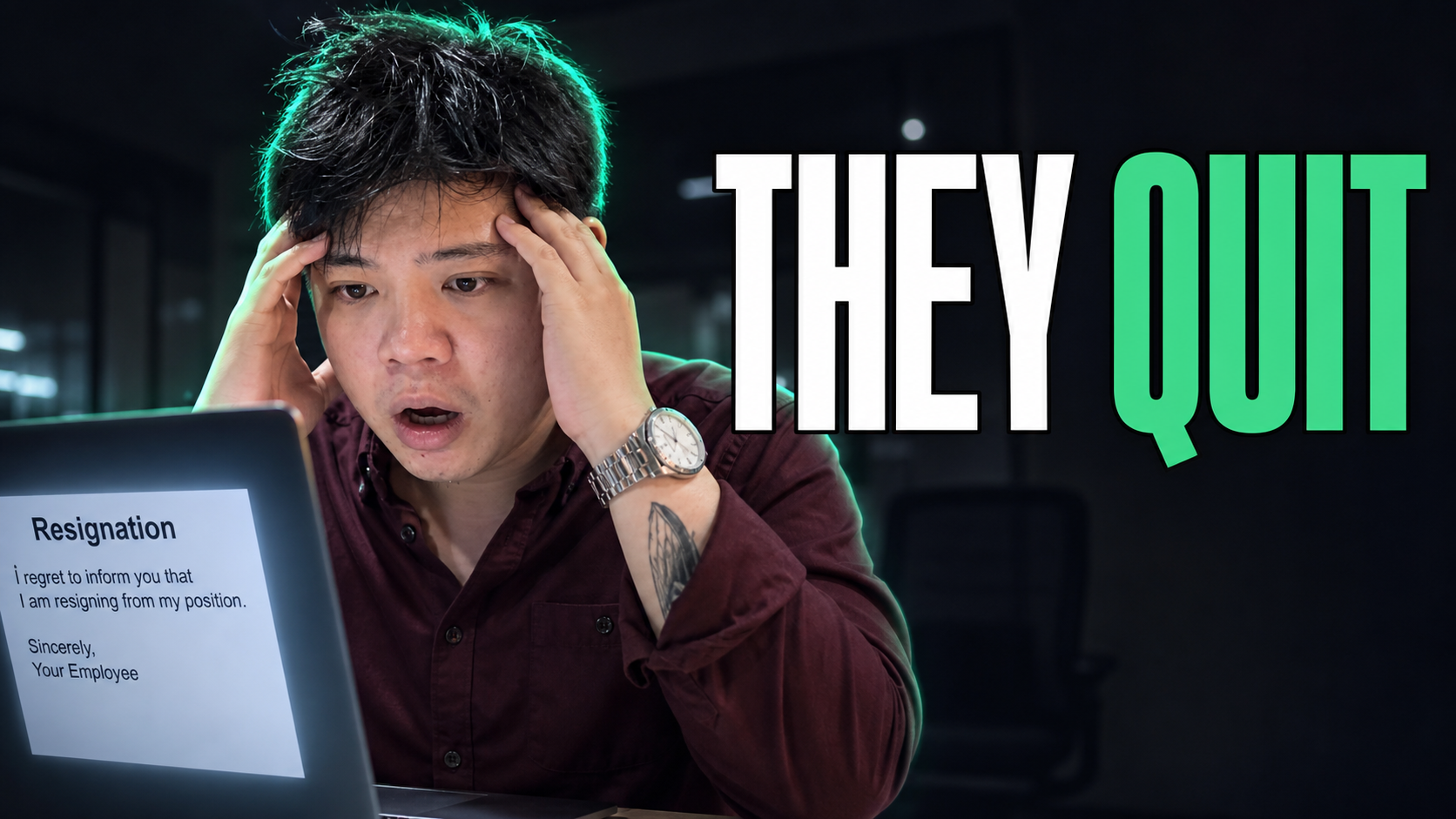
Here's what it actually costs you when a great operator walks during a good year.
It's not the recruiter fee or the three months of ramp on a replacement, though both sting. It's that the person leaving is usually your best one. The strong people are the ones with options. When the business is winning, when growth is teed up and bonuses are tracking, that's precisely when a competitor can wave a bigger number and a faster path, and your best operator does the obvious thing. They go and capture the value somewhere they'll actually own a slice of it.
That's the quiet tax on growth that nobody puts on a spreadsheet. The better the year, the more your top people are worth on the open market, and the easier it is to lose them if all you've given them is a salary and a thank you.
So I want to make a case for the thing most founders either fumble or avoid entirely. Ownership. Real ownership, structured so it actually changes how someone behaves. And the most important idea in here is going to sound backwards, so let me start there.
Free equity registers as zero
Here's the thing nobody tells you about handing out equity. When you give someone options for free, a lot of the time it lands in their head as worth roughly nothing.
It's an abstraction. A number on a grant letter, attached to a company they can't sell shares in, governed by terms most people outside a handful of cities don't really understand. They nod, they say thanks, and then they make decisions exactly as they did the week before. The grant didn't change the way they think about the business, because it never felt like theirs. It felt like a perk that might be worth something one day, in the way a lottery ticket might.
Money they understand. Money in, money out, that's real to people. An option dangled in front of them is functionally zero in their head until something forces them to value it.
The thing that forces it is writing a check.
Buy-in is what turns a grant into ownership
The most useful pattern I've come across is operators buying into the cap table at a fair valuation. Not being gifted shares. Buying them, with their own money, at a price that's generous but real.
I heard a version of this from a founder who'd had a dozen of his senior people write checks over a single year, and his description of the effect stuck with me. It was transformative, he said, to how those people perceived the value of what they held. Same company, same shares, same person. The only thing that changed was that the equity had cost them something, and overnight it became real.
That's the whole mechanism. When someone has put their own capital on the line, even taken out a loan to do it, the share stops being a perk and starts being a position. They behave like an owner because they are one, in the way that matters: they felt the sacrifice of getting in.
I'm not suggesting you make people remortgage their house. The point isn't the size of the check, it's that there is one. A buy-in priced fairly, where the person has to consciously decide this is worth my money, does more for alignment than ten times the equity handed over for free. The sacrifice is the feature, not a side effect.
Alignment is the actual product, not the shares
Step back and ask what you're really buying when you put an operator on the cap table, and it isn't loyalty in the sentimental sense. It's a change in the time horizon they're optimising for.
A salaried operator, even a brilliant one, is reasonably thinking about the value of their own contribution this year and what they can get for it next year. That's not disloyalty, it's just the rational frame for someone who only gets paid for the present. An owner thinks in chunks of five, ten, fifteen years, because that's the horizon on which their stake pays off. They'll make the unglamorous call that costs something now and compounds later, because they're holding the long end of the stick.
That shift is the entire reason to do this. You're trading a slice of the upside for a team that stops thinking in financial years and starts thinking in epochs. During a strong run, that's the difference between a team that holds together and one that quietly bleeds its best people to whoever's hiring.
The cap table has marriage-level consequences, so choose carefully
Now the warning, because I'd be doing you a disservice to sell the upside without it.
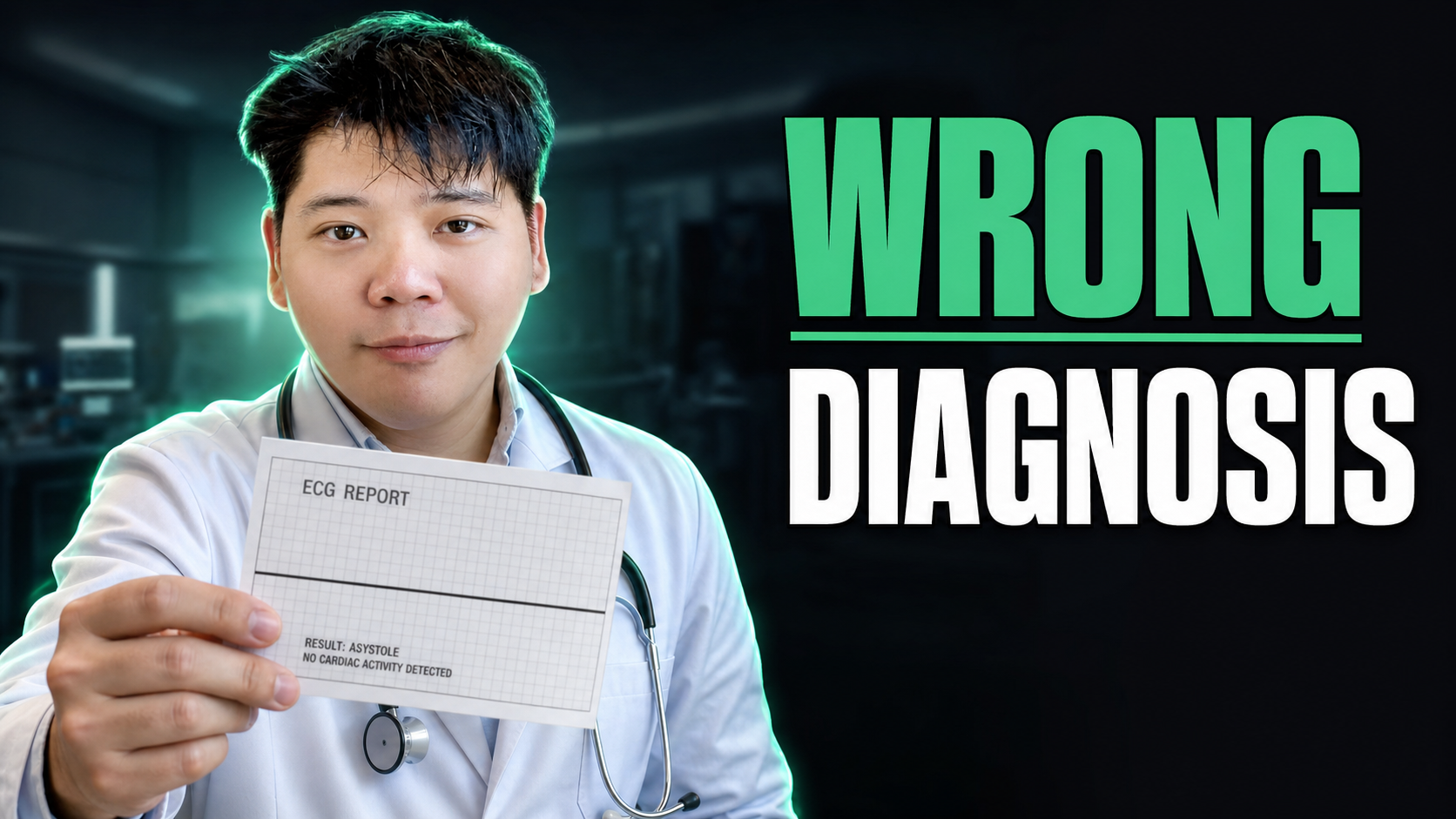
A cap table has consequences closer to a marriage than a hire. Once someone's on it, getting them off is hard, expensive, and emotionally fraught. The structures you put in place early are extremely difficult to change once the business is in motion, and the situations that go wrong are rarely the ones you planned for. A partner's circumstances change. Someone steps back from the work but keeps the shares. A passive holder ends up with a meaningful chunk while the people actually building the thing own less.
I've watched founders describe equity as a life force that points energy into the organisation. When the shares are held by people doing the work, that energy flows in. When they're held by people who've drifted out, it drains the other way, because their interests quietly diverge from everyone still grinding. The hard, recurring problem isn't structuring the upside. It's what you do when a significant owner is no longer contributing and there's no clean, fair way to unwind it.
So the real lesson is to pick the people you put on a cap table the way you'd pick someone to go through genuinely hard years with. Not the ones who want a piece when things are good, because everyone wants that. The ones you'd trust across the difficult conversation you can't yet see coming, because there will be one.
The agency that became an owner
There's an arc behind a lot of the brands I admire that's worth naming, because it's the strongest version of this idea.
It shows up in the story of a well-known accessories brand, the wallet brand. Before the people who scaled it owned a real stake, they ran it from the outside, as the marketing and growth engine. The founders eventually understood that the operators driving the growth were dramatically better at that part of the business than they were, and that handing over real equity and real control meant everyone won bigger, because the value was being created by the people who'd now actually own it. That alignment is a big part of how a wallet turned into the kind of brand it became.
The lesson I take from that isn't really about wallets. It's that the strongest alignment happens when the people creating the value are the same people who own the upside, and that founders who recognise this early and act on it tend to build the businesses that hold together for a decade.
When there's no cap table to share
Most founders reading this can't put a client, a partner, or even every key person on an actual cap table. That's fine. The principle survives without the legal instrument.
What you're really chasing is the written check, in whatever form fits the relationship. Skin in the game. A structure where the other side has put something of their own on the line, so the incentive is genuinely shared rather than one party being paid regardless of the result. It's the difference between a vendor who gets the same fee whether you win or lose, and a partner whose own outcome is tied to yours. The first relationship optimises for this month. The second optimises for the thing you actually care about.
It's the same idea that makes a bought share outperform a gifted one. Alignment isn't something you can hand to someone for free and expect them to feel. It comes from both sides having something real at stake in the same result, on the same horizon.
Which leaves the question worth sitting with, whether you're thinking about your team or the people you choose to work with. Who in your business is genuinely on the hook for the long-term outcome alongside you, and who's just being paid to be here?


Recent Insights®


.webp)

Powered by © Pigeon Digital 2026. All rights reserved.
We acknowledge the Traditional Owners of the land on which we work, the Wurundjeri Woi Wurrung Cultural Heritage Aboriginal Corporation people of the Kulin Nation, and pay our respects to Elders past and present. We recognise their continuing connection to Country, culture and community.
.svg)