TikTok Shop for DTC in 2026: GMV Max, Shutdowns, and the Off-Platform Halo Nobody Measures


Think of TikTok Shop like a stall you set up on the footpath outside your actual store. Loud, busy, cheap to look at, packed with people who weren't planning to buy anything. Some of them grab something off the stall on the spot. Most of them clock your name, keep walking, and turn up at your real shopfront a week later.
The mistake brands make is judging the stall by what sells off the stall. That's the whole trap with TikTok Shop in 2026, and it's why so many founders either dismiss it or pour money in and panic when the on-platform numbers look thin.
I've spent a while watching how the bigger operators actually run this channel, and three things keep coming up that nobody puts on the sales page. Let me walk through each, then give you my honest take on whether a 6 or 7-figure brand should bother right now, and how to measure the bit that actually matters without paying for enterprise attribution software.
What nobody tells you 1: most of the revenue is just ads wearing a costume
When brands first hear about TikTok Shop, the pitch is organic. Creators post, affiliates clip, the algorithm does the rest, and the sales roll in for the cost of a few product samples. Beautiful story.
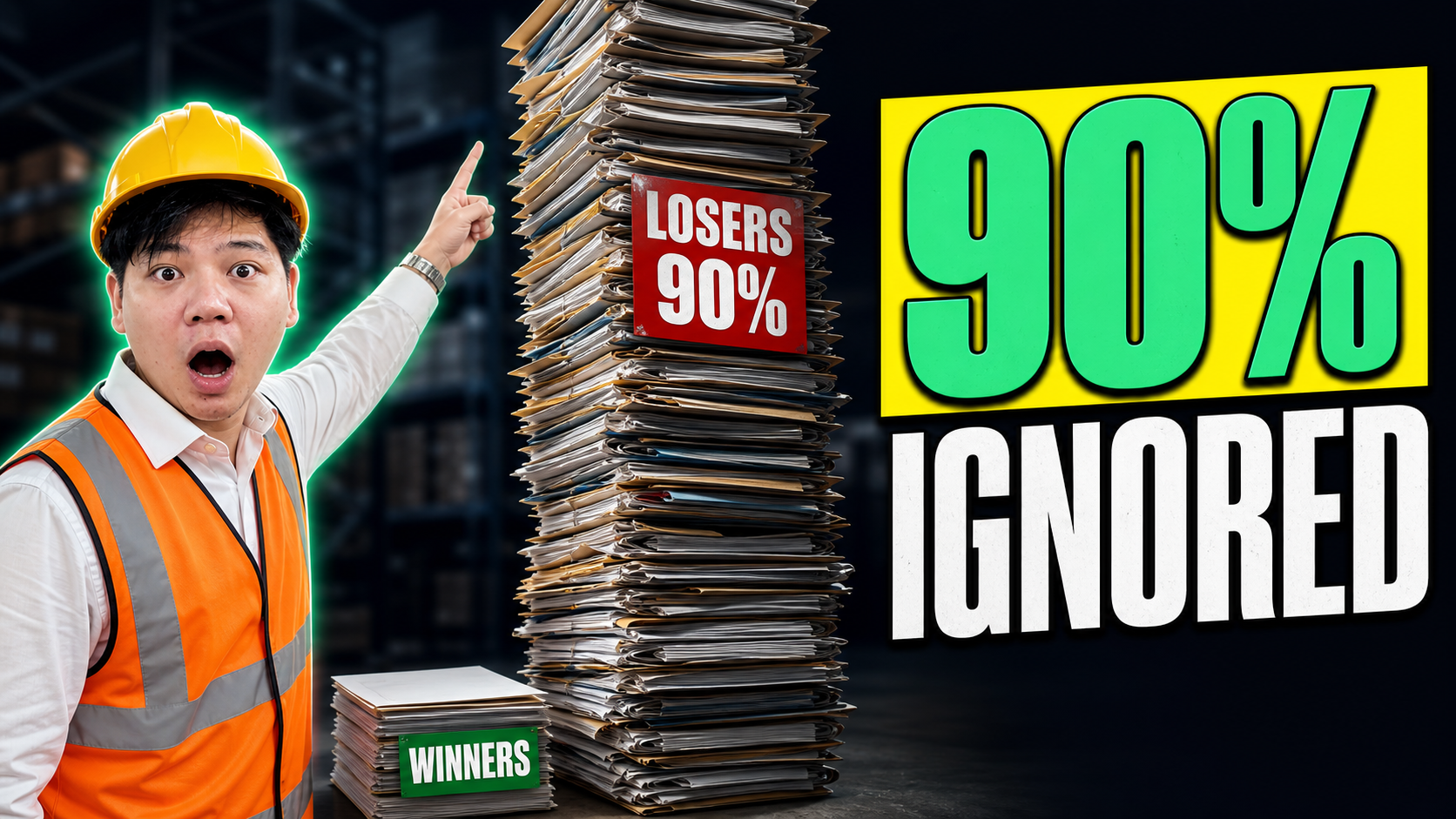
In reality, the agencies running this at scale will tell you something different the moment you sign. The number I keep hearing is that 70 to 90% of TikTok Shop revenue comes from GMV Max, not organic.
GMV Max is TikTok's automated ad product. It takes your organic posts and your affiliate content, loads them up, and promotes them to drive orders. So when an agency tells a brand "we expect 90% of your shop revenue to come from GMV Max", what they're really saying is: this is a paid channel. You're going to run ads, plus you're going to pay affiliate commissions on top.
I'm not saying that to scare you off. I'm saying it because the budget you bring to TikTok Shop should look nothing like the "free organic distribution" fantasy. To put this into perspective, you're effectively paying twice on a converting order - the ad spend to surface the content and the affiliate cut on the sale. On a sub-A$50 impulse product with thin margins, that maths gets tight fast.
My take: go in treating GMV Max as your real acquisition engine and the organic stuff as the fuel that makes it cheaper. If you budget for "free", you'll be disappointed by week two. If you budget for paid acquisition with a seeding layer underneath it, you'll set it up properly.
What nobody tells you 2: the shop gets switched off, repeatedly, and it's not your fault
Here's the bit that genuinely surprises founders. You can do everything right and still spend months unable to keep the shop live.
I've heard the same story from more than one operator. A brand decides to launch, signs an agency, gets the creators lined up, and then spends the better part of six months in a loop of problem after problem. The shop goes live, runs for a fortnight, and TikTok switches it off over some compliance or fulfilment flag. They turn it back on. Two weeks later, off again.
One founder put it perfectly. He went to his TikTok reps and basically said, mate, we are trying to give you money here, and they kept turning the shop off anyway.
A lot of the recent pain has come from the shift toward fulfilled-by-TikTok logistics, which got sprung on brands quickly and dragged third-party warehouses and label setups into the mess. So now your 3PL is waiting on TikTok, TikTok is waiting on who-knows-what, and your launch date keeps sliding.
The other half of the problem is a volume threshold. The brands that broke through describe hitting a tipping point - somewhere in the hundreds of videos, 500 to 1,000 pieces of affiliate content - before the account stopped tripping the automated shut-off and actually started humming.
What this means for planning: do not put a hard revenue target on TikTok Shop for your first quarter. Treat the first three to six months as setup and grunt work, not as a performance channel. If you sell it internally as "instant new revenue stream", you'll look like you failed when really you were just doing the unglamorous bit everyone has to do.
What nobody tells you 3: the halo is real, the halo is huge, and the halo is also where people lie to themselves
This is the one everyone gets excited about, so I want to be careful here.
The bull case is genuinely compelling. The operators I rate most say that for every dollar of revenue they see inside TikTok Shop, they're making several more off-platform - on their .com and on Amazon. The figures floating around are a 5-to-1, even 10-to-1 ratio of non-shop orders to shop orders. One operator's working guess was four to nine off-platform dollars for every dollar captured in the shop itself.
Sit with that for a second. If only 10 to 20% of the channel's true impact shows up inside TikTok Shop, then a brand doing A$10k a month in shop revenue might be driving closer to A$100k in total, blended across their site and Amazon. That completely changes the unit economics. A channel that looks like it's breaking even on-platform could be your cheapest source of new customers once you count the halo.
And now the honest bit, because I'm not going to sell you the dream without the asterisk.
Not everyone finds the halo. I've heard a founder who got his brand into the top ten of his entire category on TikTok Shop describe a nasty surprise: the moment he tripled his ad spend, his organic revenue on the channel went to zero, and the whole thing tipped into the red. He ran proper holdout tests to see if TikTok Shop was lifting his other channels, and at the time of speaking, he hadn't found any incremental lift at all. His words on the halo were that it's this mythical thing everyone keeps promising.
So here's my take, and it's the whole point of this section: the halo is real often enough to matter, and absent often enough that you cannot assume it. The brands raving about a 9-to-1 halo and the brand seeing nothing are running the same channel. The difference isn't luck. It's whether the off-platform lift is actually there for their specific product and audience, and the only way to know is to measure it rather than believe it.
So should a 6 to 7-figure brand launch now?
Here's my honest read, and it's a "depends", but a useful one.
Launch now if you're a low-AOV, impulse-friendly product. Sub-A$100, ideally sub-A$50, the kind of thing someone buys off a fifteen-second video without thinking too hard. Snacks, supplements, small beauty, accessories. This is the sweet spot, and the affiliate content engine works in your favour. The margin will be tight, so go in knowing you're buying distribution and brand reach, not on-channel profit.
Wait, or go in slow, if you're a considered, higher-AOV product. If your thing costs A$150 and people research it for a week before buying, the impulse mechanics of TikTok Shop fight against you. That doesn't mean never. It means the value for you is almost entirely the halo and the brand awareness, so don't launch until you've got a way to measure whether that halo actually shows up.
Either way, the moat isn't the shop. It's the affiliate base. The smartest move I've seen is brands pulling their affiliates out of TikTok's back end and into an owned community - a Discord with thousands of creators in it, briefed weekly like a sales team, fed every new product and offer. That asset keeps producing content for you across every platform, not just TikTok. If you're going to do the work of recruiting creators, own the relationship rather than renting it through the platform.
What I'd be cautious about: launching purely because it feels like you're being left behind. "Everyone's on TikTok Shop" is not a strategy. A tight reason - either the product fits the impulse model, or you have a real plan to measure and bank the halo - is.
How to measure the halo without enterprise attribution
You don't need a six-figure measurement platform to get an honest read. Here's the approach I'd use.
- Run a geo holdout. Pick a region, hold TikTok Shop and its promotion out of it entirely, and run the channel everywhere else for a clean four to six weeks. Then compare total revenue - site plus Amazon - in the held-out region against the rest. If your blended sales lift in the live regions and stay flat in the held-out one, that gap is your halo. If there's no gap, you've just saved yourself from believing a story that wasn't true for you.
- Build a rough multiplier. Once you trust the channel is lifting things, work out the ratio. If your holdout suggests every A$1 of shop revenue is matched by, say, A$4 of off-platform revenue, you've got a 5x blended multiplier. Now you can take your monthly shop number, apply the multiplier, and back into a true return on the ad spend and affiliate commissions you're paying. Crude, but honest, and miles better than judging the channel on its on-platform line alone.
- Watch your branded search and direct traffic. When TikTok content is doing its job, people who can't be bothered with the shop link go and look you up instead. A rising tide of branded search and direct site visits, lining up with your content volume, is a strong secondary signal that the halo is working even when the shop revenue stays small.
The thread through all three: stop arguing about whether the halo exists in general, and measure whether it exists for you. That's the entire game.
If you're weighing up a TikTok Shop launch and want a clear-eyed read before you commit budget - what a realistic seeding spend looks like for your AOV, and how to measure the off-platform lift for your specific brand - that's exactly the kind of thing a Signal/Noise Audit is built to map out. Better to know whether the halo is there before you bet the quarter on it than to find out three months in.
So here's the question I'd sit with: if you switched TikTok Shop on tomorrow, would you actually be able to tell whether it was growing your business or just moving sales around - and if not, what would you need to put in place first?


Recent Insights®

.webp)

Powered by © Pigeon Digital 2026. All rights reserved.
We acknowledge the Traditional Owners of the land on which we work, the Wurundjeri Woi Wurrung Cultural Heritage Aboriginal Corporation people of the Kulin Nation, and pay our respects to Elders past and present. We recognise their continuing connection to Country, culture and community.
.svg)