What UGC Actually Costs in 2026: Billo vs Insense vs a Creator on Retainer


How much are you actually paying per piece of creative, and how much of that bill is buying you content that has any chance of working?
Most founders I talk to can't answer the second half. They know roughly what a video costs because they've seen the invoice. What they can't tell me is the real number: the cost per piece that survives contact with the ad account. Because that's the only number that matters, and it's almost never the sticker price.
So let me lay out what the main UGC routes actually cost in 2026, what you really get for the money, and where the hidden costs hide. No affiliate angle here, just what I see running creative for ecommerce brands every week.
Billo: cheapest, fastest, least control
Billo is the one I'd point a brand at if they're just getting started and need volume on a budget.
The maths is friendly. You're looking at somewhere around A$80 to A$120 a video, give or take, depending on length and add-ons. Turnaround tends to be quick once the product lands with the creator. I've seen content come back within a couple of days of the product arriving, which for a marketplace is genuinely fast.
Here's the trade-off, and it's a real one. You don't get to talk to the creator before you book them. You write your brief, you send your product, you get your video. If the brief is sloppy, the video is sloppy, and you've no chance to course-correct mid-way.
That puts the weight entirely on your brief. Treat the creator like they can read your mind and you'll get something generic. Treat them like they'll do exactly what you write and nothing you didn't, and give them a line-by-line script with what to say and what to show, and the output gets dramatically better.
So Billo is cheap and fast, and the quality is as good as your brief is tight. For a brand finding its feet, that's a fair deal.
Insense: more expensive, more control, slower lately
Insense plays a different game. It's a platform fee plus the creator's rate, so the all-in cost sits higher than Billo.
You're paying a monthly access fee to use it, then paying each creator on top. In practice the per-video cost lands meaningfully above Billo, often in the A$150 to A$300 range once you've accounted for both. So why pay it?
Two reasons. First, you can actually talk to the creators before you commit, which means you can sense whether someone gets your brand before you hand them your product. Second, the roster is broader and more flexible, so you can find creators who fit a specific look or demographic rather than taking whoever's available. You can even arrange content in exchange for product on some deals, which changes the maths again.
One honest wrinkle worth flagging. Turnaround on these marketplaces has been drifting longer. What used to be a one-to-two-week wait has, on some platforms, crept out toward three or four weeks. Plan your testing calendar around that, because a creative pipeline that stalls for a month quietly kills your testing velocity, and velocity is the whole game.
So Insense buys you control and fit at a higher price, with the caveat that you have to manage the timeline harder than you used to.
The creator on retainer: where it gets genuinely cheap
Here's the route nobody talks about enough, and it's the one I move clients toward the moment the data supports it.
Once you've worked with enough creators, you start to find the rare one. The person who just gets it. You barely have to brief them, they understand advertising and your customer instinctively, and a startling share of what they send comes back a winner. When you find that creator, you stop paying per video and you put them on a monthly retainer.
The numbers are the reason. Picture paying a strong creator a flat A$1,200 a month and getting a dozen pieces of content back. That's around A$100 a video, which already matches the cheap marketplaces. But the win isn't the headline price. It's that a much higher share of those twelve actually perform, because this person already knows what works for your brand. Your cost per usable piece, the only number that counts, drops through the floor.
You don't have to re-explain your customer every round. You don't gamble on a stranger. You've turned creative from a series of one-off bets into a reliable monthly supply line.
The catch is finding them, and there's no shortcut. You'll cycle through plenty of creators before you land a genuine one. I've gone through more than a dozen for a single brand before finding the keeper. So the marketplaces aren't a detour on the way to a retainer, they're how you audition for it. You use Billo and Insense to run a lot of creators cheaply, you spot the one whose work keeps winning, and you lock them in monthly before someone else does.
The pattern that bites everyone: price-jacking
There's one cost nobody warns you about, and it catches almost every brand that finds a good creator.
The moment a creator sees their own face all over your ads, watches your following climb, and works out that their content is the thing actually scaling your business, the price goes up. Sometimes a lot.
I've watched a creator who started somewhere around A$1,000 to A$2,000 a month look at a brand crossing a couple of hundred thousand followers, realise nearly every ad was their content, and come back asking for several times that to keep working together. From their side it's fair enough. They can see the value they're creating. But it lands as a real and rising cost on your P&L, and it's one you should expect rather than be ambushed by.
This is exactly why the retainer matters, and why you lock it in early. If you sign a creator to sensible monthly terms while they're still affordable, before they've seen the full scale of what they're driving, you've protected your creative cost for a good while. Wait until they're your single most important winner and the conversation gets expensive fast.
It's also a quiet argument for never letting one creator become irreplaceable. The more creators you've genuinely worked with, the more keepers you have in rotation, and the less pricing power any single one holds over your whole account. Spread your bets a little even after you've found a good one.
So what does UGC actually cost?
Strip it back and the picture is simpler than the price lists make it look.
Sticker price runs from roughly A$80 a video on the cheap, fast end up to A$300-ish once a platform fee and a pickier roster come into it. A retainer can pull the headline back toward A$100 a piece while quietly stacking the deck on quality.
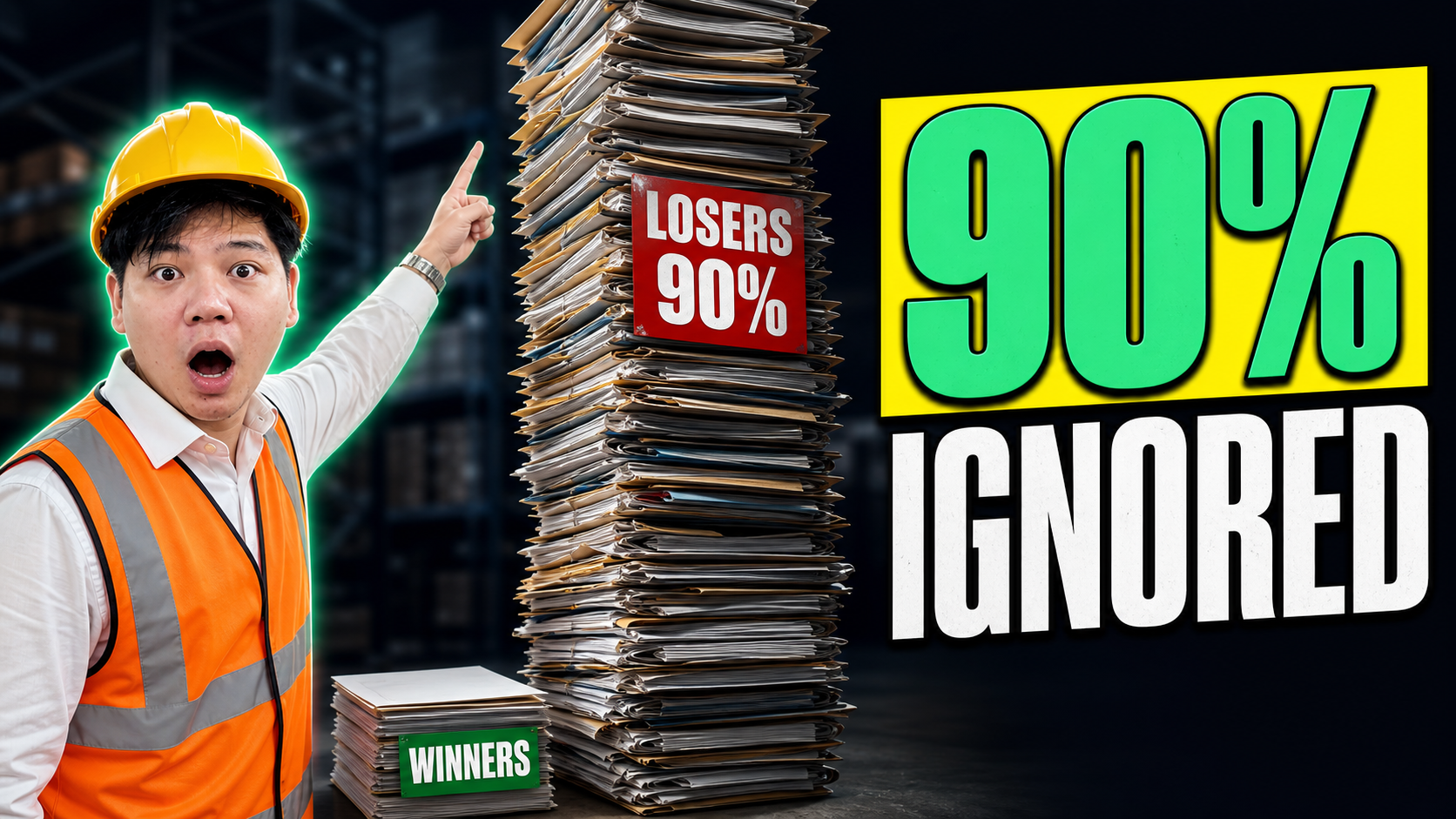
But the sticker price is a distraction. The cost that decides whether UGC is working for you is the cost per piece that actually performs. A A$90 video that flops is infinitely more expensive than a A$200 one that scales, because the flop bought you nothing. When you start measuring this way, the cheap marketplace and the pricey retainer swap places in the ranking, and the whole decision looks different.
Here's the question I'd sit with if I were you. Out of your last ten pieces of creator content, how many actually made it past a few days in the account, and what did each of those survivors really cost you once you divide the whole bill by the handful that worked? That number is your true UGC cost. Everything on the price list is just the deposit.


Recent Insights®


.webp)

Powered by © Pigeon Digital 2026. All rights reserved.
We acknowledge the Traditional Owners of the land on which we work, the Wurundjeri Woi Wurrung Cultural Heritage Aboriginal Corporation people of the Kulin Nation, and pay our respects to Elders past and present. We recognise their continuing connection to Country, culture and community.
.svg)