
What a DTC Creative Strategist Actually Does (And When to Rent One Instead of Hiring)

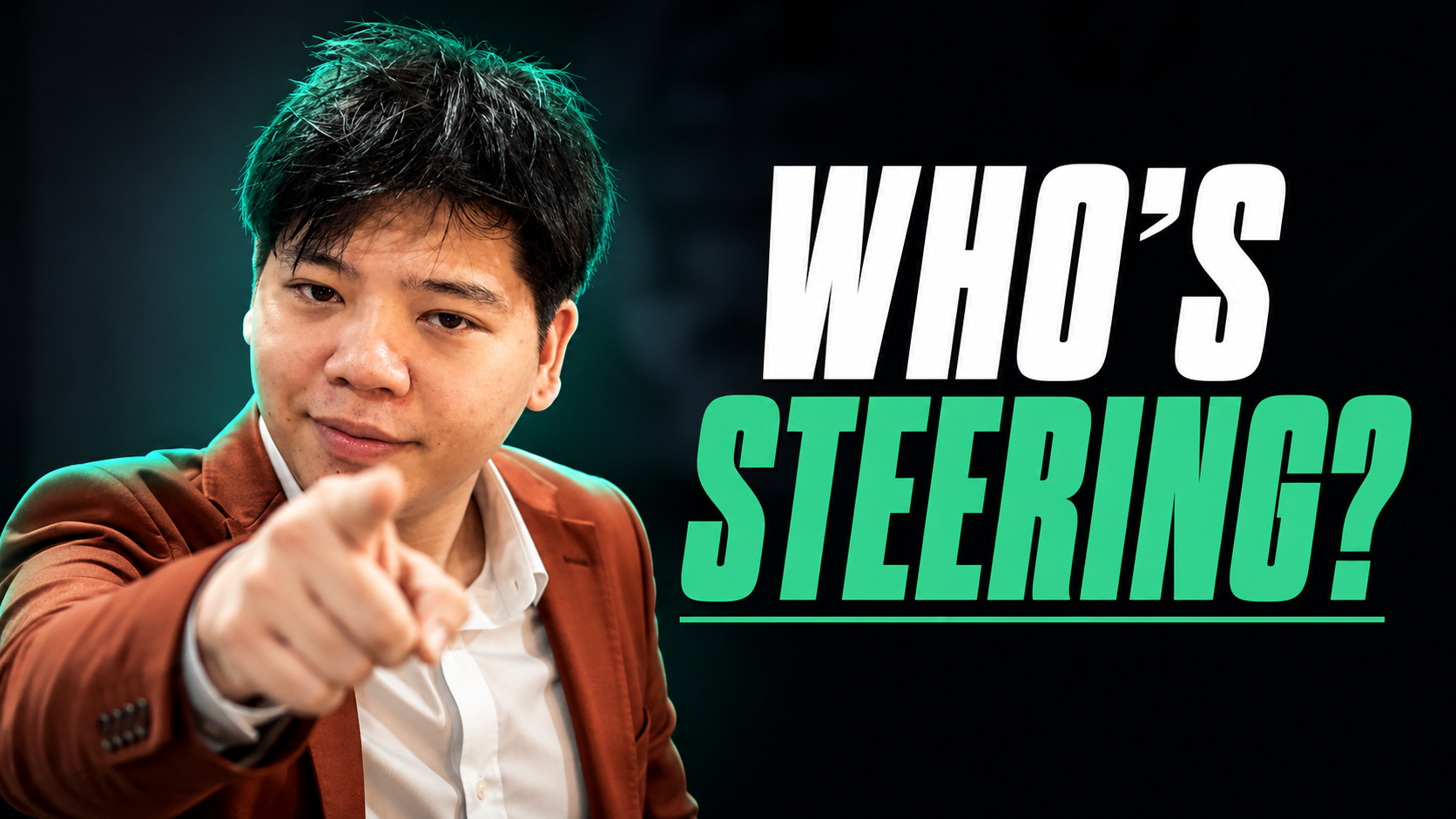
Here's what the empty seat is actually costing you, and most founders never put a number on it.
Say you're spending A$60k a month on Meta. The single biggest lever on whether that money works is the creative, not the targeting, because the algorithm already decides who sees your ads. So the person who decides what creative gets made is, in effect, steering most of a A$720k-a-year budget. If nobody owns that, it's not that the job doesn't get done. It gets done badly, by everyone and no one, in between their real jobs. Your media buyer guesses at concepts at 11pm. Your designer makes things look nice with no idea what's converting. And you wonder why ROAS drifts down a tenth at a time.
That gap has a name now. The person who fills it is a creative strategist, and four years ago almost nobody had one. Today most brands past seven figures either have one or are quietly losing money for the want of one. So let me lay out what the role actually is, where the good ones come from, and the honest math on whether you should hire it, hand someone the hat, or rent the function while you're still working that out.
What the role actually does day to day
Strip away the job-title inflation and a creative strategist has one mandate: produce winning ads, on purpose, at the volume your spend demands.
That's more specific than it sounds. It's not "be creative." It's a loop. They sit between the media-buying side and the creative side, two disciplines that are almost at odds, one obsessed with numbers and one obsessed with the work, and they're the person who can hold both without their eyes glazing over at either.
In practice the week looks like this:
- Research. Reading your reviews, your competitors' ads, Reddit threads, comment sections, to find the angles and the words your customers actually use. Not to copy a competitor's ad, but to get clear on the message you're trying to land.
- Concepting. Turning that research into specific briefs. Who's this for, what problem does it hit, what's the angle, which product. A real brief, not "make three TikToks."
- Reading the data. Knowing which ads beat the benchmark, which sit on it, which drag. Then feeding that back into the next batch so you're compounding learnings, not starting fresh every month.
- Cultivating performance on the creative team. This one's quiet but it matters. Designers and editors often have no idea what happened to the work they shipped. The strategist closes that loop, which is half of why good ones lift a whole team's output.
The honest bit: you can't fully science your way to the answer. At some point they have to stop staring at the numbers and make a creative call. The job is knowing when to do which, and that judgement is the whole value.
The three backgrounds the good ones come from
When we vet this talent, nearly everyone who's any good has come up one of three ways. Worth knowing, because each comes with a different gap you'll need to cover.
The media buyer who got curious. They were running the ads, realised the creative was the bigger lever, and waded in. Strongest on data and on what actually converts. The gap is taste; they sometimes brief for "what worked last time" and under-cook genuinely new ideas.
The content creator or editor. They came from making the stuff, often with a following of their own, so they have a real feel for what stops the scroll. The gap is the numbers. Plenty of brilliant creators freeze the moment you ask them to read a ROAS table, and that's the half of the job you can't skip.
The traditional advertising or brand background. The agency-trained type who understands messaging and positioning at a level the other two often don't. The gap is the platform; they have to genuinely respect and learn the fast, scrappy, low-attention reality of paid social rather than treating it as beneath them.
There's no best one. There's only which gap you're comfortable coaching. A media buyer who can't yet write a hook is a different hire to a creator who can't yet read a dashboard, and you should know which problem you're signing up for.
The honest math: hire, wear the hat, or rent
This is the bit founders get wrong, usually by hiring too early. Here's how I'd actually think about it.
If you're under roughly A$50k a month in spend: don't hire. The role only starts to genuinely earn its keep somewhere around that mark, and every dollar above it makes it more critical. Below it, a full-time creative strategist on A$90k-plus a year is a heavy fixed cost for a problem you don't quite have yet. Someone wearing the hat is fine here.
"Wearing the hat" is a real option, not a cop-out. You pick the person on the team who cares most about the problem, often the media buyer or the head of growth, and they take it on properly in addition to their job. The honest catch: "in addition to their job" is exactly where it falls down. We've seen plenty of brands where one person is running creative strategy and writing the emails and the emails are half the revenue. At some point that person is the bottleneck on two things at once, and you're not saving money any more, you're capping growth.
Hiring full-time makes sense once the volume justifies a dedicated owner. Past that A$50k mark, climbing, and your creative needs are clearly more than a side-of-desk job. The catch here is supply. There are a lot of people who'll call themselves a creative strategist and very few who can actually walk it. The good ones rarely come cheap or quickly, and if you want them in-house and local, the pool gets thinner again. Hiring well here can take months, and a bad hire in this seat is expensive in a way that compounds, because they're steering the budget the whole time they're wrong.
Renting the function is the in-between most people skip. This is the bridge: you're past the point where the hat works, but you're not ready to bet a six-figure salary and a three-month search on getting the hire right. So you rent the creative-strategy function, the research, the briefs, the data read, the loop, from someone who does it across many brands, until your volume and your clarity are high enough that owning it in-house is obviously worth it. It's the option that lets you have a proper strategist on the budget without adopting one into the family before you're ready. It's also, frankly, a chunk of what a creative-led agency is for, and it's most of what we do for the brands we work with.
The rough sequence, then: hat while you're small, rent while you're scaling and figuring out exactly who you need, hire once it's obvious. Skipping the middle is how founders end up either capping growth or making a rushed six-figure mistake.
What we actually screen for
Since the title means almost nothing on its own, here's what we look past it for when we're vetting someone.
Can they stand the numbers? My favourite quick read on this isn't a metrics test, it's softer than that: does this creative person handle the data side of life at all? Someone who does their own taxes and doesn't flinch will usually be fine crunching ROAS with the team. Someone who visibly recoils from a spreadsheet is telling you something.
Can they actually point to ads that worked, and explain why? Not a folder of pretty work, a clear story of "this beat benchmark and here's the reason." Anyone can claim taste. I want the reasoning.
Do they understand your fundamentals come first? The flashy candidate wants to riff like they're writing sketch comedy. The good one knows that if your core messaging and customer understanding aren't right, no amount of fast-paced editing saves it. They get the fundamentals sorted before they get clever.
And can they hold both sides without picking a team? The whole role is bridging media buying and creative. Someone who's secretly contemptuous of one half will quietly let that half rot.
Where to from here
So before you post a job ad, I'd ask a sharper question than "should I hire a creative strategist." I'd ask: right now, who in my business actually owns the decision about what creative gets made, and are they doing it on purpose or in the gaps?
If the honest answer is "no one, really," that's worth sitting with. Because at the spend you're at, that decision is steering more of your money than almost anything else on your plate. So who's wearing the hat in your business, and have you ever actually asked them to?


Recent Insights®



.webp)

Powered by © Pigeon Digital 2026. All rights reserved.
We acknowledge the Traditional Owners of the land on which we work, the Wurundjeri Woi Wurrung Cultural Heritage Aboriginal Corporation people of the Kulin Nation, and pay our respects to Elders past and present. We recognise their continuing connection to Country, culture and community.
.svg)