$1,500 Creator Ads Are Beating $50,000 Brand Shoots: The Whitelisting Playbook


I opened a skincare brand's ad account a while back and the top of the spend report told the whole story before I'd scrolled an inch.
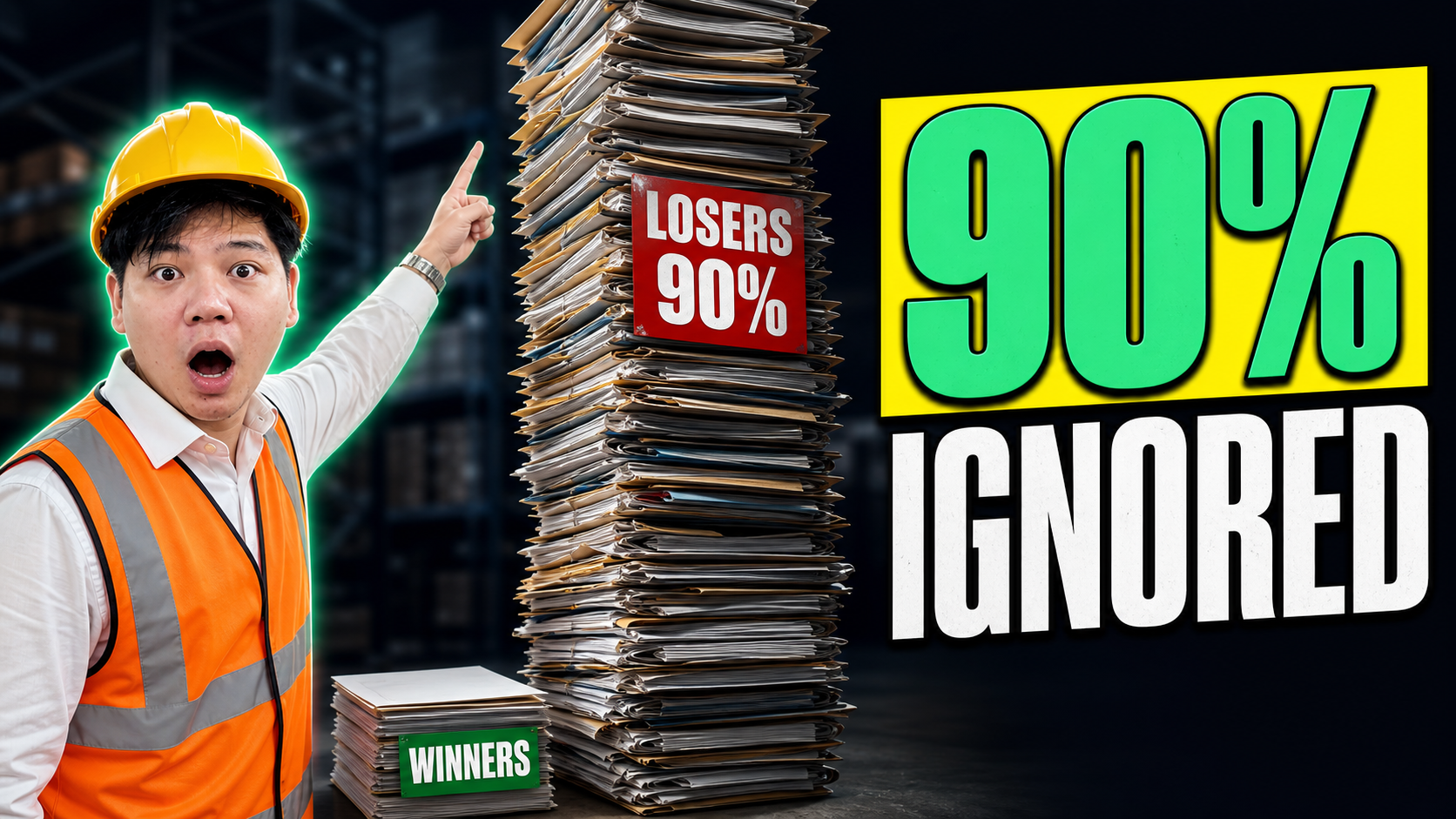
Sitting at number one, eating a third of the month's budget at a tired 1.1x, was a beautifully produced brand film. Studio lighting, a director, the works. Somewhere south of ~$50k to make. And buried four rows down, spending a fraction of that, was a shaky phone video a micro creator had filmed at her bathroom sink. It was running at nearly 3x and nobody on the team had thought to put more behind it.
That gap - polished film losing to a $1,500 phone clip - isn't a fluke. I see some version of it in most accounts I open. And the brands pulling away right now aren't the ones with the biggest production budgets. They're the ones who've built a pipeline to manufacture those bathroom-sink winners on purpose, and then run them as ads from the creator's own handle.
That last part is the bit most people miss. So let me lay out the whole playbook, step by step, the way we actually run it.
Quick definition before we start, because the words get muddled. Whitelisting (Meta now calls it Partnership Ads, you'll also hear "allowlisting") is when a creator grants you permission to run paid ads through their handle. The ad shows the creator's name and profile, not your brand page. Same media you'd run anyway, except it looks and feels like the creator vouching for you, because technically it is.
Here's why that matters in one line: an ad from a real person's account reads as a recommendation, and an ad from your brand page reads as an ad. People have well-tuned detectors for the second one.
Step 1: Source micro creators, not big names
The instinct is to chase reach. Don't, not at this stage. For ad content, a creator with ~10k-50k followers who makes genuinely watchable videos beats a 500k name nine times out of ten, and costs a tenth as much.
I'm not chasing their audience here at all. I'm chasing their ability to make a video that stops the scroll. Their follower count is almost irrelevant, because the audience is going to be Meta's, not theirs - we're putting the spend behind it.
Where I look:
- Your existing customers and taggers. The people already posting about you are the warmest creators you'll ever find. Pull your tagged mentions, your reviews, your DMs. Someone who already loves the product makes a better ad than someone you've paid to pretend.
- Product seeding as a sourcing engine. Send free product to a batch of micro creators with no strings. A chunk will post organically, and that organic post doubles as an audition. The ones whose content actually performs are the ones you sign for paid. Seeding compounds too - people you sent product to two years ago are sometimes still posting. It's the cheapest top-of-funnel there is.
- Foreplay-style ad libraries and your competitors' Partnership Ads. See which creators competitors are already whitelisting. If someone's content is working as a paid ad for a similar brand, that's a strong signal.
My rule of thumb: cast wide and cheap. You don't know who'll resonate until their video is live, so you want a spread of small bets, not one big one.
Step 2: Structure the deal as ad-content-only
This is where the economics get good, and where most brands overpay out of habit.
You do not need a posting deal. You don't need them on a retainer. You don't need them to be an ambassador. For this play, you're buying one thing: content you can run as a paid ad from their handle. That's it.
So the deal is simple. A flat fee, usually ~$1,000 to $3,000 depending on the creator, for a defined batch of content (say 2-3 videos) plus the right to run those as whitelisted ads. No obligation for them to post to their own feed. No ongoing deliverables.
To put that number in perspective: a single ambassador on a broad always-on deal can run you ~$25k-50k a month. A traditional brand shoot is a five-figure day before you've spent a dollar on media. An ad-content-only micro deal is a few thousand dollars, once, for an asset that might carry a campaign. The price-for-value is in a different league.
Here's the part that makes it work for them, and it's the bit I'd never skip: give the creator a slice of the spend you put behind their whitelisted ad. A small percentage. It costs you almost nothing and it changes the relationship completely - now they're incentivised to make content that actually performs, because the better it does, the more you spend, the more they earn. You've quietly turned a one-off vendor into someone rooting for the ad to win.
Step 3: Lock the usage rights in writing before a dollar moves
This is the unglamorous step that saves you later, so do it properly. The single most common way this whole thing goes sideways is fuzzy rights - you find a winner, you're scaling it, and the creator's licence quietly lapses or they didn't actually agree to paid usage. Now your best ad is a legal problem.
Spell it out in the agreement, in plain language:
- Paid usage rights, explicitly. The right to run the content as paid advertising, not just to repost it organically. These are different permissions and you need the first one named.
- Whitelisting / Partnership Ad access - permission to run ads through their handle, and the technical handover (on Meta this is a Partnership Ad code or account access). Without this, you've got the video but you can't run it from their account, which defeats the point.
- Duration. I like a usage window of at least 6-12 months. The whole risk with a short window is finding a winner on day 80 of a 90-day licence and having to renegotiate from a position of weakness. Buy the runway up front.
- Whether it's exclusive, and to what. You don't need full exclusivity for ad content, but you don't want your winning creator filming the identical angle for a direct competitor next week either. Define it.
Get this in the contract from the start rather than striking it after the fact. It's far cheaper to ask for usage rights before you know something's a winner than to come back hat-in-hand once it's printing.
Step 4: Brief for angles, not a script
A whitelisted ad dies the moment it feels scripted, because the entire advantage is that it reads as a real person's genuine take. So I don't hand creators a word-for-word script. I hand them an angle and let them say it their way.
The way I think about a brief is roughly: who is this for, what problem does it solve for them, what's the angle that lands that, and which product moment proves it. Give the creator that scaffolding and the freedom to film it in their own voice, in their own bathroom, with their own phone.
I'll usually brief a few different angles across a batch of creators rather than the same one ten times, because I don't know which problem framing will resonate until they're live. One creator leads with the texture, another with the before-and-after, another with the price-versus-the-fancy-brand. Different hooks for different buyers.
What I avoid: over-producing it. The shaky sink video outperforms the studio film precisely because it doesn't look like an ad. If you polish the authenticity out of it, you've thrown away the only edge you were paying for.
Step 5: Run it as a whitelisted ad, and build a landing page to match
Now you take that content and run it as a Partnership Ad from the creator's handle, with your spend behind it.
One technique worth stealing, because I've watched it lift performance more than once: when you've got a creator whose content is genuinely resonating, build a simple listicle landing page in their voice. Something like "five reasons [creator's first name] swears by [product]", with her name and face on it, matching the ad. The ad reads as her recommendation, the landing page continues as her recommendation, and that continuity of message converts better than dumping the click onto a generic product page. I've seen a fatiguing creator post get a real second wind purely from spinning up a page like that.
The mechanism underneath all of this is the same one the whole post hangs on: it feels real because it is real. The person in the ad genuinely uses the thing. People can smell a one-off paid shout-out, and they relax when it looks like an actual human's honest opinion. That's the lift you're paying a few thousand dollars to manufacture.
Step 6: Feed the winners into your Meta creative testing
Here's the step that separates a one-off creator spend from a system: every whitelisted video is also a test, and the winners feed your machine.
You're not just hoping one creator ad does well. You're running a batch, watching which angles and which creators clear your cost-per-acquisition target, and treating that as signal. The ones that win get more spend and get rolled into your main testing pool as control creatives to beat. The ones that don't get quietly retired - and because each one only cost a few thousand and the creator was happy regardless, a loser is cheap.
That's the flywheel. Seed wide, sign the performers as cheap ad-content-only deals, lock the rights, brief for angles, run them whitelisted, and let the winners compound into your testing. Over a few months you stop relying on the occasional lucky brand film and start having a reliable supply of fresh, real-feeling creative that you own the rights to scale.
And the economics keep surprising people. A handful of ~$1,500 creator deals can out-produce - and out-perform - a single ~$50k shoot, because you got a dozen genuine swings instead of one expensive bet, and the winners look like recommendations instead of advertising.
So the real question I'd sit with isn't "should we do a big shoot or use creators". It's this: if your best-performing ad this quarter turned out to be a phone video filmed at someone's kitchen bench, would your current setup even let you find it - and if you did find it, do you have the rights and the pipeline to put real money behind it?


Recent Insights®


.webp)

Powered by © Pigeon Digital 2026. All rights reserved.
We acknowledge the Traditional Owners of the land on which we work, the Wurundjeri Woi Wurrung Cultural Heritage Aboriginal Corporation people of the Kulin Nation, and pay our respects to Elders past and present. We recognise their continuing connection to Country, culture and community.
.svg)